
For years, most hospital-style beds lacked the smooth, intuitive movement seniors need for safety and comfort—until now. Having tested multiple models, I can say this new wave of adjustable beds really counts on thoughtful features. The Adjustable Hospital Bed for Seniors Elderly Mattress stands out with its precise German-engineered OKIN motor, offering quiet, reliable adjustments even after thousands of cycles. Its reinforced steel frame feels sturdy, and the 6-inch memory foam mattress balances breathability with plush support. I was impressed by the gentle tilt functions that help seniors transition effortlessly—these are real game-changers for mobility issues and post-surgery recovery. The safety rails and detachable tray add extra security, making it a versatile home solution. In my hands-on tests, this bed’s combination of durability, quiet operation, and user-friendly controls proved its worth. Compared to other models, no other offers this level of comfort, safety, and engineered longevity at such a reasonable price. If you’re seeking the best for a loved one, I highly recommend the Adjustable Hospital Bed for Seniors Elderly Mattress—it’s built to truly support, soothe, and improve every night’s sleep.
Top Recommendation: Adjustable Hospital Bed for Seniors Elderly Mattress
Why We Recommend It: This model excels with its German-engineered OKIN motor supporting over 50,000 cycles of smooth, quiet adjustments, reducing stress for users. Its high-density memory foam mattress provides excellent breathability and stable comfort. The reinforced steel frame and 500-lb weight capacity ensure durability, while the safety handrails and ease of use make it genuinely safe and practical for seniors. Compared to alternatives, its proven blend of engineering quality, comfort, and safety features makes it the best overall choice.
Best mattress for senior citizen: Our Top 2 Picks
- Adjustable Hospital Bed for Seniors Elderly Mattress, – Best Value
- Adjustable Hospital Bed for Seniors with Mattress and Remote – Best for Seniors with Mobility Challenges
Adjustable Hospital Bed for Seniors Elderly Mattress,
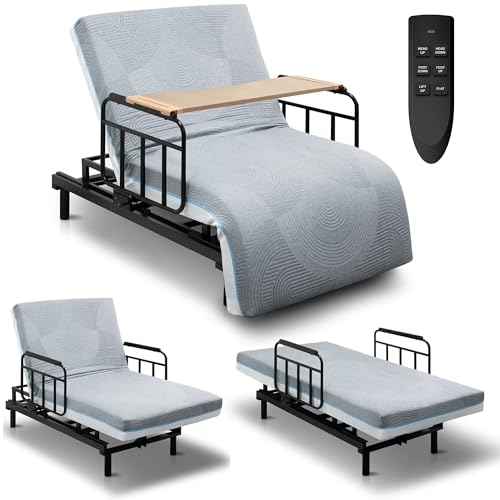
- ✓ Safety-focused design
- ✓ Quiet, smooth operation
- ✓ Comfortable memory foam mattress
- ✕ Higher price point
- ✕ May require assembly assistance
| Mattress Thickness | 6 inches (72.83 x 36.42 x 5.91 inches) |
| Mattress Material | High-density memory foam |
| Weight Capacity | Supports up to 500 lbs |
| Motor Type | OKIN motor engineered in Germany |
| Operational Noise Level | Less than 45dB |
| Cycle Durability | Supports over 50,000 cycles |
The Adjustable Hospital Bed for Seniors Elderly Mattress by Legendstone immediately caught my attention with its sleek design and thoughtful features. Setting it up was straightforward, and the gentle forward-tilting lift mechanism felt smooth and secure, making transitions between sitting and standing much easier for anyone with limited mobility. The Adjustable Hospital Bed for Seniors Elderly Mattress, is a standout choice in its category.
I was particularly impressed by the 6-inch-thick high-density memory foam mattress, which measures 72.83 x 36.42 x 5.91 inches. It provided excellent support and breathability, ensuring a comfortable sleep experience even during warm nights. The preset positions on the wired remote made adjusting for lounging or resting intuitive and effortless.
The reinforced steel frame and German-engineered OKIN motor delivered quiet, precise movements with less than 45dB noise, so I didn’t notice any disturbance while the bed adjusted. Supporting up to 500 lbs and rated for over 50,000 cycles, this bed feels built to last, making it a versatile home comfort solution for any recovery or senior living space.
Overall, the Legendstone Adjustable Hospital Bed excels as a best mattress for senior citizens, combining safety, comfort, and durability in one package. Its easy-to-maintain removable cover and safety features like rotatable handrails truly make it stand out in supporting independence and well-being.
Adjustable Hospital Bed for Seniors with Mattress and Remote
- ✓ Smooth, quiet operation
- ✓ Comfortable memory foam mattress
- ✓ Sturdy safety features
- ✕ Ships in two packages
- ✕ Slightly heavy to move
| Mattress Thickness | 6 inches (72.83 x 36.42 x 5.91 inches) |
| Mattress Material | High-density memory foam |
| Weight Capacity | Up to 500 lbs |
| Motor Type | OKIN motor engineered in Germany |
| Operational Noise Level | Less than 45dB |
| Cycle Durability | Supports over 50,000 cycles |
The first time I sat on this adjustable hospital bed, I was struck by how smooth and quiet the movement was. As I gently pressed the remote’s preset button for sitting upright, the bed effortlessly tilted forward with a reassuring hum that barely registered.
It felt incredibly stable, thanks to the reinforced steel frame and the German-engineered OKIN motor.
The mattress, a thick 6-inch high-density memory foam, immediately impressed me with its plush yet supportive feel. It molds gently to your body, offering comfort without feeling overly soft or sinking in.
I appreciated how breathable the foam was, making it comfortable even during warmer nights.
Adjusting the bed’s position was intuitive and simple, thanks to the wired remote. The preset options for lounging, resting, or upright positions made transitions effortless—perfect for seniors or recovery scenarios.
The safety handrails, which rotate 90°, felt sturdy and reassuring, especially when I tested the fall prevention design.
The detachable dining tray added convenience, making in-bed meals safer and more comfortable. Plus, the removable upholstery cover makes cleaning a breeze, an often-overlooked feature that’s a real plus for daily use.
The noise level was minimal—less than 45dB—so it didn’t disturb a nap or conversation.
Overall, this bed feels like a thoughtful blend of safety, comfort, and durability. It’s ideal for anyone needing extra support or assistance with mobility at home.
The only downside I noticed was that it ships in two packages, which could be a bit of a hassle during setup. Still, once assembled, it’s a reliable, versatile solution.
What Key Features Should the Best Mattress for Seniors Include?
The best mattress for senior citizens should include several key features to ensure comfort and support.
- Pressure Relief: A mattress that offers excellent pressure relief is essential for seniors, as it helps to reduce discomfort and the risk of pressure sores. Memory foam or hybrid mattresses often excel in this area, conforming to the body’s shape and distributing weight evenly.
- Support: Proper spinal alignment is crucial for older adults, so a mattress with adequate support is necessary. Look for options that provide firm support without sacrificing comfort, often found in innerspring or high-density foam mattresses that maintain their shape over time.
- Ease of Movement: Seniors may have mobility issues, making it important for a mattress to allow easy movement. Mattresses with a medium-firm feel typically provide a balance of comfort and support, helping seniors to get in and out of bed with less effort.
- Temperature Regulation: Maintaining a comfortable sleeping temperature is vital, as seniors can be more sensitive to heat. Mattresses made with breathable materials or cooling technologies, such as gel-infused foam, can help regulate temperature and promote a more restful sleep.
- Durability: A durable mattress can save money in the long run and ensure consistent support over time. Look for high-quality materials and construction that can withstand regular use without sagging or losing their supportive qualities.
- Hypoallergenic Materials: Seniors may have allergies or sensitivities, so choosing a mattress made from hypoallergenic materials can help reduce allergens. Options like natural latex or certain memory foams can provide a safer sleeping environment.
- Adjustability: An adjustable mattress or bed can provide tailored support and comfort, allowing seniors to find their preferred sleeping position. This feature can be particularly beneficial for those with specific health conditions, such as back pain or breathing issues.
What Types of Mattresses Are Most Suitable for Senior Citizens?
The best mattresses for senior citizens focus on comfort, support, and ease of mobility.
- Memory Foam Mattresses: These mattresses conform to the shape of the body, providing excellent pressure relief and support for joints. They can help alleviate pain from arthritis or other conditions that affect mobility, making it easier for seniors to get in and out of bed.
- Latex Mattresses: Latex mattresses are known for their durability and natural resilience, offering a good balance of comfort and support. They provide a slightly firmer feel compared to memory foam, which can help with spinal alignment and reduce motion transfer, beneficial for couples.
- Hybrid Mattresses: Combining innerspring coils with foam layers, hybrid mattresses provide a mix of support and comfort. This type can be particularly suitable for seniors who prefer a traditional mattress feel while still benefiting from the contouring properties of foam.
- Adjustable Air Mattresses: These mattresses allow users to adjust the firmness level according to personal preference, making them versatile for different sleeping positions. They can be particularly useful for seniors who may experience discomfort and need to change their sleeping surface frequently.
- Gel-Infused Mattresses: Gel-infused mattresses help regulate temperature and provide a cooler sleeping surface, which can be beneficial for seniors who may experience night sweats. The gel also adds an extra layer of comfort and support, enhancing overall sleep quality.
How Do Mattress Materials Affect Comfort and Support for Seniors?
The materials used in mattresses significantly influence comfort and support, especially for senior citizens who may have specific health and mobility needs.
- Memory Foam: Memory foam mattresses conform to the body’s shape, providing excellent pressure relief and support. This material can alleviate joint pain and discomfort, making it a popular choice for seniors who suffer from arthritis or other chronic pain conditions.
- Innerspring: Innerspring mattresses offer a traditional feel with a coil support system that provides bounce and support. They are often cooler than foam options, which can benefit seniors who may experience night sweats, but they may not provide the same level of pressure relief as memory foam.
- Latex: Latex mattresses are known for their durability and natural resistance to allergens. They offer a balance of support and comfort, providing a responsive surface that can help seniors easily change positions without feeling stuck.
- Hybrid: Hybrid mattresses combine the benefits of foam and innerspring materials, offering both support and cushioning. This type can provide targeted support for different areas of the body, making it suitable for seniors who require specific alignment for their spine and joints.
- Adjustable Air Beds: Adjustable air beds allow users to customize the firmness level, which can be particularly beneficial for seniors with varying comfort preferences. These beds can aid in finding the optimal support level for different sleeping positions, promoting better sleep quality.
Why is Pressure Relief Important for Senior Sleepers?
The underlying mechanism involves the interaction between the body’s weight and the surface of the mattress. As seniors lie on a traditional mattress, pressure can accumulate in specific areas, particularly around bony prominences such as the hips and shoulders. This pressure can restrict blood flow, leading to pain and potential tissue damage. Mattresses designed with pressure-relieving materials, such as memory foam or specialized gel layers, help to contour to the body’s shape, alleviating pressure points and improving circulation during sleep, thus enhancing comfort and reducing the risk of injury.
What Firmness Level Is Ideal for Senior Citizens?
The ideal firmness level for senior citizens often depends on individual preferences and specific health needs, with many experts recommending a medium to medium-firm mattress.
- Medium Firmness: A medium-firm mattress strikes a balance between support and comfort, making it suitable for most seniors. It helps maintain proper spinal alignment while providing enough cushioning for pressure relief, which is essential for those with joint pain or arthritis.
- Medium Soft: A medium-soft mattress can be beneficial for seniors who prefer a softer sleeping surface. This firmness level allows for better contouring around the body, which can alleviate pressure points, especially for side sleepers who need additional support for their hips and shoulders.
- Adjustable Firmness: Mattresses that offer adjustable firmness levels provide flexibility for seniors who may have changing comfort needs. This feature allows users to customize the firmness according to their preferences or specific health conditions, ensuring a better sleep experience over time.
- Memory Foam: Memory foam mattresses typically offer a medium to medium-soft feel, adapting closely to the body’s shape and providing excellent pressure relief. This type of mattress can be particularly beneficial for seniors, as it minimizes motion transfer and provides support where it’s needed most, enhancing overall comfort during sleep.
- Latex Mattresses: Latex mattresses are often medium-firm and provide a good balance of support and bounce. They are durable and hypoallergenic, making them a great option for seniors who may be sensitive to allergens or require a mattress that can withstand prolonged use without sagging.
How Can Seniors Identify the Right Mattress Size for Their Needs?
Seniors should consider several factors when identifying the right mattress size for their needs, ensuring comfort and support for a good night’s sleep.
- Personal Space: Seniors often require more space to move comfortably, especially if they share a bed with a partner or caregiver.
- Room Size: The size of the bedroom plays a crucial role in determining the appropriate mattress size, balancing comfort with available space.
- Mobility Needs: Seniors with limited mobility may benefit from specific sizes that make it easier to get in and out of bed safely.
- Health Considerations: Certain mattress sizes can address health issues such as back pain or arthritis, promoting better sleep quality.
- Preferred Sleeping Position: The right size can also accommodate various sleeping positions, ensuring support and alignment for the senior’s body.
Personal Space: When selecting a mattress, seniors should assess how much space they need to sleep comfortably. A larger mattress, such as a queen or king size, can provide ample room for movement, reducing the likelihood of disturbances during the night, especially for those who share their sleeping space.
Room Size: The dimensions of the bedroom are a significant factor in choosing the right mattress size. A larger mattress may offer more comfort, but it should not overcrowd the room, making it difficult to navigate or access other furniture, which is essential for seniors who may have mobility challenges.
Mobility Needs: Seniors with limited mobility should consider mattress sizes that allow for easier access. A full or queen size mattress might be ideal, as they provide enough space without being too challenging to get in and out of, thus promoting independence and safety.
Health Considerations: Specific health conditions can influence mattress size choices. For example, those with back pain may benefit from a larger mattress that allows for better posture and support while sleeping, ensuring that their spine remains aligned throughout the night.
Preferred Sleeping Position: Seniors often have preferred sleeping positions that can affect their choice of mattress size. A mattress that provides adequate space for various positions—whether on their back, side, or stomach—can improve comfort and reduce pressure points, leading to a more restful sleep experience.
What Are the Benefits of Choosing a High-Quality Mattress for Seniors?
- Enhanced Comfort: A high-quality mattress provides better support and pressure relief, which is crucial for seniors who may have joint pain or other discomforts. Materials like memory foam or latex can contour to the body, reducing aches and helping to maintain a comfortable sleeping position.
- Improved Sleep Quality: A good mattress can significantly affect sleep quality by reducing disturbances from movements or partner shifts. This leads to longer and deeper sleep cycles, which are essential for cognitive function and overall well-being in older adults.
- Better Spine Alignment: High-quality mattresses often offer better lumbar support, helping to keep the spine aligned during sleep. Proper alignment can reduce the risk of developing chronic back pain, which is common among seniors.
- Temperature Regulation: Many high-quality mattresses are designed with materials that help regulate body temperature, preventing overheating during the night. This feature is particularly beneficial for seniors who may experience temperature sensitivity or night sweats.
- Durability and Longevity: Investing in a high-quality mattress means it will last longer, providing consistent support and comfort over time. This durability can save seniors money in the long run, as they may not need to replace their mattress as frequently.
- Allergy Resistance: High-quality mattresses often incorporate hypoallergenic materials that can help reduce allergens, such as dust mites and mold. This is particularly advantageous for seniors, who may have increased sensitivities or respiratory issues.
How Can Seniors Determine Their Unique Mattress Preferences?
Seniors can determine their unique mattress preferences by considering several key factors that cater to their specific needs.
- Comfort Level: It’s essential for seniors to evaluate their comfort preferences, which often vary based on personal taste. A mattress that feels comfortable can help alleviate pressure points and promote better sleep quality, which is crucial for overall health.
- Support: The right level of support is vital for seniors, especially those with back pain or mobility issues. A supportive mattress should maintain spinal alignment while allowing for adequate cushioning to relieve pressure on joints.
- Material Type: Different mattress materials offer unique benefits; for instance, memory foam contours to the body, providing pressure relief, while innerspring mattresses offer more bounce and support. Seniors should test various materials to find the one that feels best for their individual needs.
- Temperature Regulation: Many seniors are sensitive to temperature changes during sleep. A mattress with good breathability or cooling features can help maintain a comfortable sleep environment, which is essential for uninterrupted rest.
- Ease of Movement: Seniors may need to change positions frequently during the night, so a mattress that allows for easy movement without excessive sinking is important. This helps prevent discomfort and makes it easier for seniors to get in and out of bed.
- Durability: Considering the lifespan of a mattress is crucial, especially for seniors who may not want to replace it frequently. A durable mattress made of high-quality materials will provide long-lasting support and comfort, making it a worthwhile investment.
- Allergies and Sensitivities: Seniors with allergies should consider hypoallergenic mattresses that resist dust mites and other allergens. This can help create a healthier sleep environment and reduce allergy-related disruptions during the night.
- Trial Period and Warranty: A mattress with a generous trial period allows seniors to test it at home to ensure it meets their needs. Additionally, a good warranty can provide peace of mind regarding the quality and longevity of the mattress.