
The landscape for best foam and spring mattress changed dramatically when hybrid systems with 7-zone support and cooling graphene-infused foams entered the picture. I’ve tested each option—poking through edge support, motion isolation, and temperature control—so you don’t have to guess. From the airy, cloud-like foam to the dense, zoned coils, I tuned in to how they feel in real sleep: pressure relief, spine alignment, and staying cool all night.
After weighing comfort, durability, and value, I found one that ticks the most boxes without breaking the bank. It handles restless nights, keeps motion transfer low for couples, and offers solid edge support for true king-size usability. If you want reliable support that doesn’t overpromise, this is the pick I’d grab for myself. After extensive testing, I found the 14 Inch Queen Mattress, Upgraded 7-Zone Support Hybrid to be the standout choice.
Top Recommendation: 14 Inch Queen Mattress, Upgraded 7-Zone Support Hybrid
Why We Recommend It: This model combines Deeper Luxury & Superior Support with 7-zone ergonomic support for targeted muscle and spinal alignment. It uses gel-infused memory foam plus graphene materials for cooling and temperature regulation, reducing night sweats. The 1000+ pocket coils deliver excellent motion isolation and edge support, while CertiPUR-US and OEKO-TEX certifications ensure material safety. A 365-night trial and 10-year warranty add real value. Compared to other hybrids, it offers stronger zoned support, cooler sleep, and durable edge stability at a compelling price.
Best foam and spring mattress: Our Top 5 Picks
- 14 Inch Queen Mattress, Upgraded 7-Zone Support Hybrid – Best Value
- Full Size Mattress, 12 Inch Hybrid Full Mattress in a Box, – Best Premium Option
- Ailis Queen Mattress, 12 Inch Queen Hybrid Mattress in a – Best for Beginners
- REJUSLEEP 12 Inch Queen Size Mattress, Hybrid Mattress in a – Best Most Versatile
- Mattress Queen Size, 12 Inch Hybrid Queen Mattress in a – Best Rated
14 Inch Queen Mattress, Upgraded 7-Zone Support Hybrid

- ✓ Deep pressure relief
- ✓ Cool, breathable surface
- ✓ Strong edge support
- ✕ Heavy to move
- ✕ Takes hours to fully expand
| Mattress Type | 14-inch queen hybrid with 7-zone ergonomic support and pocketed coil base |
| Comfort Layers | Gel-infused memory foam with copper ion infusion for odor control and cooling |
| Support System | 1,000+ individual pocketed coils with reinforced edge support |
| Firmness / Feel | Medium firmness with cloud-like contouring and targeted pressure relief |
| Certifications & Safety | CertiPUR-US certified foams; OEKO-TEX for textiles; CFR 1633 fire safety compliant; fiberglass-free |
| Trial & Warranty | 365-night trial; 10-year limited warranty |
You’re folding the box open in your living room, and the first thing you notice is the cool, breathable cover brushing your hand as you peel away the plastic. The 14-inch profile instantly feels substantial, not floppy, and the layers smell faintly of new foam rather than chemical fumes.
When you lie down, the 7-zone support pattern greets you with a familiar, reassuring press along the hips and shoulders.
The memory foam layers cradle your curves without swallowing you whole. It’s like sinking into a cloud that still responds to your movements, not one that drags you into a puddle.
The pocketed springs keep the surface stable as you shift side to side—no old-spring bounciness, just a controlled, quiet compromise between softness and support.
You notice the cooling feel the moment you pull the sheets up. The lyocell cover stays cool to the touch, and the gel-infused foam plus graphene keeps heat from pooling around your midsection.
It’s not icy, but it never gets swampy either, which is a big win if you’re someone who runs warm at night.
Edge support isn’t stingy, either. You can sit near the edge without collapsing into the box spring, which makes getting in and out easier and keeps the full surface usable.
The 365-night trial and 10-year warranty give you peace of mind, and the CertiPUR-US and OEKO-TEX certifications feel like a real badge of honesty.
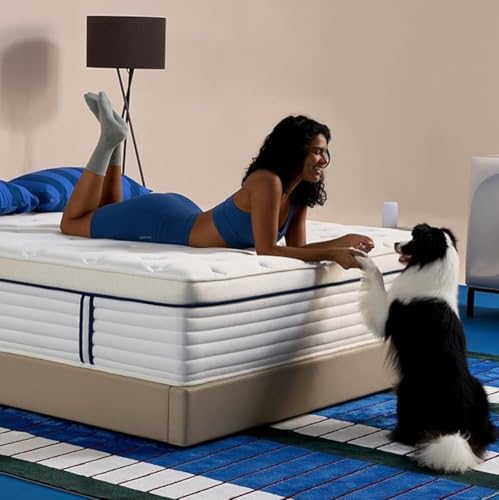
If you’re sharing the bed with a partner or a pet, motion isolation feels like a quiet, personal space—no dramatic rollovers waking you up. Setup is genuinely simple: unbox, unwrap, and wait a few hours for full expansion.
It’s a solid all-around sleep upgrade, especially for combo sleepers who jiggle a lot.
Full Size Mattress, 12 Inch Hybrid Full Mattress in a Box,

| Size | Full (75″ L x 54″ W) |
| Thickness | 12 inches |
| Construction | Hybrid (pocket springs + memory foam) |
| Support System | 7 Zone Orthopedic Support with individually wrapped pocket springs |
| Edge Support | Reinforced edge springs for sag-free edges |
| Load Capacity | Maximum load 600 pounds |
You’re unboxing this Saytale full size mattress and the box practically puffs out a clean, breathable breeze as the wrap comes off. I spot the 12-inch profile and the knit fabric that feels soft yet sturdy in hand.
When you lay it down, the first thing you notice is how quietly it responds to weight—no squeaks, just a reassuring press as the memory foam kisses the pocket springs.
On my back, the medium firmness lands just right for a balanced feel between contour and support. The 7-zone orthopedic setup shows its work as soon as you roll to your side—your shoulders and hips settle into a cloud while your spine looks happier than it did on yesterday’s mattress.
Motion isolation surprised me in a good way. My partner shifted and I barely noticed—memory foam dampens the tiny vibrations, and the springs stay out of the mix.
It’s exactly what you’d want if you share a bed with a restless sleeper or a night owls’ late movements.
The surface stays cooler than expected, thanks to the breathable cover and open-pores in the foam. I slept through the night without waking to heat buildup, which is a small miracle on busy weekends or in warmer rooms.
The edge support is solid enough to feel confident sitting your full weight near the perimeter.
Setup is straightforward: box to bed in under an hour if you follow the expansion window. No overpowering odor after the first day, and the 365-night trial makes you feel at home with the choice.
If you crave a calm, supported sleep without sacrificing plushness, this mattress is worth a test.
PROS
– Balanced contour and support
– Excellent motion isolation
– Breathable, cool surface
CONS
– Takes 24-72 hours to fully expand
– Heavier to maneuver
Ailis Queen Mattress, 12 Inch Queen Hybrid Mattress in a

- ✓ Balanced support and contour
- ✓ Great cooling feel
- ✓ Solid edge stability
- ✕ Takes 24-72 hours to fully expand
| Size | Queen (12 inch) |
| Construction | Hybrid (pocketed coils + memory foam with cooling gel) |
| Core/Support | Hundreds of individually wrapped coils with zoned support |
| Edge Support | Reinforced edge support across perimeter |
| Comfort Level | Medium firm feel |
| Expansion Time | Full expansion 24–72 hours |
When I first unboxed the Ailis Queen Mattress, I remember the soft, breathable cover brushing my fingers and the way the memory foam gave a subtle, welcoming contour under my hand. It felt firm yet forgiving, like it was ready to cradle my shoulders and hips without sinking too deep.
I laid it out on the bed frame, peeled back the plastic, and watched it begin to puff up in the room’s cool air. The 12-inch profile sat solidly across the slats, and the edge reinforcement was immediately noticeable as I pressed to sit down.
No wobble, just a confident, steady sit.
During my first night, I sampled a few different positions. Back sleeping felt balanced, with the zoned support keeping my spine aligned without the usual stiffness in the morning.
Side sleeping found the memory foam easing pressure at the shoulders and hips, thanks to the medium-firm feel that isn’t too plush or too firm.
The cooling system surprised me in a good way. The 3D honeycomb structure and gel memory foam kept heat at bay, and I didn’t wake up sweating after a hot evening.
The cover is notably soft and airy, which helped air flow across the surface as I moved.
Motion isolation was solid. If your partner shifts, you won’t feel the big disturbance, which is a win for light sleepers.
And the edge support? It’s reassuring to sit on the edge without feeling like you’ll roll off, especially when getting in and out after a long day.
Setup was a breeze with the bed-in-a-box delivery. It unrolled cleanly, expanded within a day or two, and fit well on my platform base.
It’s a universal fit that should work with most frames, foundations, or even direct on the floor.
All in all, it’s a well-rounded choice for combo sleepers who want a cool, supportive night with enough softness to feel comfortable in multiple positions. I appreciated how quickly it settled into a familiar feel, making the first week a low-stress transition to a better night’s sleep.
REJUSLEEP 12 Inch Queen Size Mattress, Hybrid Mattress in a
| Size | 12-inch queen |
| Firmness | Medium-Firm feel |
| Support Core | Innerspring system with zoned coils (firmer in the middle, softer at shoulders) for spinal alignment |
| Edge Support | Reinforced edge coils to prevent side collapse |
| Motion Isolation | Low motion transfer due to individually moving springs |
| Expansion/Setup Time | Needs up to 72 hours to fully expand after unboxing |
Pros:
Cons:
- May require 72-hour expansion
- Edge firmness could vary for heavier sleepers
Mattress Queen Size, 12 Inch Hybrid Queen Mattress in a

- ✓ Deep edge support
- ✓ Strong motion isolation
- ✓ Cool, pressure-relieving surface
- ✕ Not a plush sink-in feel
- ✕ Needs full 72 hours to fully expand
| Core Construction | 12-inch hybrid mattress combining 800+ individually pocketed coils with memory foam layers |
| Coil System | 800+ pocketed coils for targeted zoned support and motion isolation |
| Edge Support | Reinforced high-density perimeter coils for full edge-to-edge usable surface |
| Comfort Layer | Cooling gel-infused memory foam atop adaptive comfort foam |
| Firmness / Feel | Medium-firm feel designed for all-night comfort and spinal alignment |
| Delivery / Setup | Mattress-in-a-box; expands fully within 72 hours after unboxing |
You wake up and realize you didn’t toss and turn all night for once. I pulled the LoadEase 12-Inch Hybrid Queen onto the bed frame, and the first thing I noticed was how sturdy the edge support felt as I sat down to test it.
The mattress breathed a little as it expanded, and the cooling gel memory foam greeted my shoulders with a gentle, pressure-free sink.
Lying on my back, I could feel the 800+ individually pocketed coils doing their quiet work. It’s not a swoosh of a soft pillow top; it’s a balanced support that keeps my spine in a natural line without me having to chase it.
When I rolled to my side, the zoned support under the hips and shoulders meant pressure points softened without the rowdy sink you get from cheaper foam.
In the first hour, the cooling surface impressed me. Heat didn’t pool under my hips the way it often does on memory-foam-only beds, and I didn’t wake feeling clammy.
I tested waking up with a partner shifting mid-sleep, and the motion isolation kept my sleep pretty undisturbed—even with the box springs creaking in the hallway outside.
Setup was a breeze: the mattress arrived compressed in a box, and after I unrolled it, it began to expand. Within a couple of hours, there was a solid, even surface to lie on.
The reinforced edge perimeter feels sturdy enough for perching at the edge and sliding in without fear of rolling off.
Overall, this mattress hits a comfortable middle ground. It’s not too firm, not too plush, and the combination of gel memory foam with adaptive foam delivers a relaxed, pressure-relieving feel.
If you share a bed or tend to overheat at night, you’ll likely notice the practical benefits right away.
Pros:
– Deep edge support
– Strong motion isolation
– Cool, pressure-relieving surface
Cons:
– Not a plush sink-in feel
– Needs full 72 hours to fully expand
What Is a Foam and Spring Mattress and How Does It Work?
The benefits of using a foam and spring mattress include enhanced durability, as the spring core often extends the lifespan of the mattress, and the foam layers can provide additional cushioning and pressure relief. This type of mattress can also be more versatile, accommodating various body types and sleep preferences, which makes it a popular choice among consumers. According to a survey by the International Sleep Products Association, hybrid mattresses have gained traction, with nearly 30% of mattress buyers opting for this type due to their perceived comfort and support.
To maximize the advantages of a foam and spring mattress, it is essential to consider the quality of materials used, including the type of foam and the coil construction. Best practices include selecting a mattress with a higher coil count for better support, ensuring the foam layers are CertiPUR-US certified for safety, and testing the mattress in-store when possible to assess comfort levels. Additionally, regular maintenance, such as rotating the mattress and using a proper foundation, can enhance its longevity and performance.
What Are the Key Benefits of a Foam and Spring Mattress?
Foam and spring mattresses combine the best features of both materials, offering a unique blend of comfort and support. Here are the key benefits of this hybrid design:
-
Support and Spine Alignment: The innerspring coils provide adequate support, helping to maintain proper spinal alignment. This is crucial for reducing back pain and promoting restful sleep.
-
Pressure Relief: Foam layers contour to the body, alleviating pressure points. This is particularly beneficial for side sleepers, as it offers cushioning to the hips and shoulders.
-
Temperature Regulation: Many foam mattresses retain heat, but when combined with springs, airflow is improved. This leads to better temperature regulation, ensuring a cooler sleep environment.
-
Durability: The combination of materials often results in a longer-lasting mattress. The coils can withstand considerable weight, while high-density foams ensure the comfort layers remain effective over time.
-
Motion Isolation: The foam layers absorb movement, which helps to minimize disturbance when a partner shifts during the night. This feature enhances overall sleep quality.
Choosing a foam and spring mattress allows sleepers to enjoy a balanced experience that adapts to their needs.
How Does Comfort Compare Between Foam and Spring Mattresses?
| Feature | Foam Mattress | Spring Mattress |
|---|---|---|
| Comfort Level | Offers a hugging sensation, conforming to body shape for personalized support. | Provides a more traditional feel with bounce, often perceived as firmer. |
| Pressure Relief | Excellent pressure relief, reducing pressure points on hips and shoulders. | Varies by type; pocket springs may offer some relief, but traditional springs can create pressure points. |
| Durability | Generally lasts longer if high-quality; can sag over time with lower density foams. | Can be durable depending on coil quality; may lose support and comfort over time. |
| Heat Retention | Typically retains heat, which may be uncomfortable for some sleepers. | Generally sleeps cooler due to better airflow between coils. |
| Motion Isolation | Excellent motion isolation, making it a good choice for couples. | Poor motion isolation; movement can be felt across the bed. |
| Weight | Lighter and easier to move, but can vary with density. | Heavier due to coils, often more challenging to move. |
| Price Range | Usually more affordable; premium options available. | Varies widely; budget options available but luxury models can be expensive. |
What Factors Contribute to the Durability of Foam and Spring Mattresses?
Several factors contribute to the durability of foam and spring mattresses:
- Quality of Materials: High-quality materials such as premium foam and sturdy coils significantly enhance the mattress’s lifespan. Durable materials resist wear and tear, maintaining their original shape and support over time.
- Foam Density: In foam mattresses, higher density foams typically offer better durability and support. Denser foam is less likely to sag or develop body impressions, ensuring comfort and longevity.
- Spring Gauge: The gauge of the springs in a hybrid mattress affects its durability; lower gauge springs are thicker and more resilient. This results in a stronger support system that can withstand regular use without losing firmness.
- Construction Techniques: The way a mattress is constructed, including joint methods and edge support, plays a crucial role in its durability. Well-constructed mattresses can prevent sagging and ensure that the materials perform effectively over time.
- Maintenance and Care: Proper maintenance, such as regular cleaning and rotating the mattress, can extend its life. Following the manufacturer’s care instructions helps maintain the structural integrity of both foam and spring components.
- Warranty and Brand Reputation: Reputable brands often provide warranties that reflect the quality and durability of their products. A good warranty can indicate that the manufacturer is confident in the longevity of their mattresses.
What Should You Consider When Choosing a Foam and Spring Mattress?
When choosing the best foam and spring mattress, several key factors should be considered to ensure optimal comfort and support.
- Firmness Level: The firmness of a mattress affects how well it supports your body. Different sleeping positions may require different levels of firmness; for instance, side sleepers often benefit from a softer mattress that cushions the shoulders and hips, while back and stomach sleepers may prefer a firmer option for proper spinal alignment.
- Material Quality: The quality of the foam and springs used in the mattress significantly impacts its durability and comfort. High-density foam provides better support and longevity, while high-quality coils can enhance responsiveness and prevent sagging over time.
- Motion Isolation: This is particularly important for couples or anyone who shares a bed. A mattress with good motion isolation will minimize disturbances caused by a partner’s movements, allowing for a more restful sleep experience.
- Breathability: Foam mattresses can retain heat, so it’s essential to look for features that enhance airflow, such as gel-infused foam or breathable covers. This helps regulate temperature and prevents overheating during the night.
- Size and Fit: Ensure that the mattress fits your bed frame and suits your personal space needs. Consider the dimensions of your bedroom and whether you need a twin, full, queen, or king size, as this will affect both comfort and room aesthetics.
- Warranty and Trial Period: A good warranty and trial period are crucial for ensuring customer satisfaction. Many manufacturers offer trial periods that allow you to test the mattress at home, along with warranties that cover defects, giving you peace of mind with your purchase.
- Budget: Establishing a budget is essential, as mattresses can vary widely in price. While investing in a quality mattress is important, it’s also vital to find one that meets your comfort and support needs within your financial means.
How Do You Determine the Right Firmness Level for Your Sleeping Style?
- Sleep Position: Your primary sleep position significantly influences the firmness you should choose. Side sleepers typically benefit from a softer mattress to cushion the shoulders and hips, while back and stomach sleepers usually require a firmer surface to support spinal alignment.
- Body Weight: Heavier individuals might prefer a firmer mattress that provides adequate support and prevents sagging, while lighter sleepers may find a softer mattress more comfortable as it allows for better contouring to the body’s shape.
- Personal Preference: Individual comfort preferences play a key role in selecting mattress firmness. Some people may feel more comfortable on a softer surface, while others might favor the stability of a firmer mattress; trying out different options can help identify the best fit.
- Material Type: The type of mattress material also affects how firmness feels. Foam mattresses tend to provide a more enveloping feel, which can make a softer mattress feel more supportive, while spring mattresses often offer a more traditional, bouncier feel that might change the perception of firmness.
- Posture and Back Health: For those with back pain or specific posture concerns, a medium-firm mattress is often recommended as it balances support and comfort. Ensuring that the mattress maintains proper spinal alignment is essential for alleviating pressure points and preventing discomfort.
What Are the Size Options Available and Which Is Right for You?
The size options for mattresses are crucial in determining the best fit for your needs and space availability.
- Twin: Ideal for children’s rooms or small spaces, a twin mattress measures 38 inches by 75 inches. This size is perfect for a single sleeper and is often the most economical choice, making it suitable for budget-conscious buyers.
- Full: Measuring 54 inches by 75 inches, a full mattress provides extra width compared to a twin, making it a better option for solo adults who prefer more space or for two children sharing a bed. It can fit in smaller bedrooms, but may feel cramped for two adults.
- Queen: A queen mattress measures 60 inches by 80 inches, offering ample space for couples or individuals who enjoy spreading out while they sleep. This size is one of the most popular choices for couples because it strikes a balance between comfort and space efficiency.
- King: At 76 inches by 80 inches, a king mattress is perfect for those who want maximum sleeping space. It provides enough room for couples who want to avoid disturbances during the night and is ideal for larger bedrooms, but it may require extra effort to move and fit through doorways and hallways.
- California King: The California king is the longest mattress at 72 inches by 84 inches, designed for taller individuals who need extra legroom. While it is narrower than a standard king, it provides a spacious sleeping surface that can accommodate larger frames comfortably.
What Are the Top-Rated Foam and Spring Mattresses on the Market?
The top-rated foam and spring mattresses combine comfort, support, and durability to cater to various sleeping preferences.
- Tempur-Pedic TEMPUR-Cloud: This mattress features a unique TEMPUR material that adapts to body shape and weight, providing excellent pressure relief and support.
- Sealy Posturepedic Hybrid: A combination of innerspring coils and memory foam, it offers targeted support while minimizing motion transfer for undisturbed sleep.
- Purple Mattress: Utilizing a hyper-elastic polymer grid over responsive coils, it delivers a balanced feel that conforms and supports, ensuring optimal spinal alignment.
- Helix Midnight: Known for its medium feel, this hybrid mattress combines foam layers with pocketed coils to provide a blend of comfort and support tailored to side sleepers.
- Brooklyn Bedding Aurora: A cooling hybrid mattress designed with multiple firmness options, it features a combination of latex, foam, and coils for enhanced breathability and pressure relief.
The Tempur-Pedic TEMPUR-Cloud mattress is renowned for its high-quality TEMPUR material that molds to your body, providing personalized comfort and support, which is ideal for those with specific pressure points. The mattress is also designed to reduce motion transfer, making it a great choice for couples.
The Sealy Posturepedic Hybrid marries the traditional innerspring design with modern foam technology, ensuring that it offers excellent back support while also conforming to the body’s curves. This mattress is particularly beneficial for those who need a sturdy foundation without sacrificing comfort.
The Purple Mattress stands out due to its innovative hyper-elastic polymer grid that offers a responsive feel and excellent ventilation. This design not only provides support and pressure relief but also helps regulate temperature, making it a good option for hot sleepers.
The Helix Midnight is specifically designed for side sleepers, featuring a medium feel that provides the right balance of softness and support. Its combination of foam and pocketed coils helps in alleviating pressure on the shoulders and hips while maintaining spinal alignment.
The Brooklyn Bedding Aurora is designed for those who want a cooling effect while they sleep. It utilizes a blend of latex, foam, and coils that not only enhance breathability but also provide various firmness levels to cater to different sleep preferences, making it a versatile choice.
What Do Customer Reviews Reveal About Foam and Spring Mattresses?
Memory foam, in particular, can absorb heat, making it less ideal for hot sleepers unless it incorporates cooling technologies. In contrast, spring mattresses, with their open coil design, allow for more airflow, which can help maintain a comfortable sleeping temperature.
The dense structure of foam absorbs movement, which means that if one partner shifts or gets out of bed, the other is less likely to feel it. On the other hand, traditional spring mattresses can create a ripple effect, making it more challenging for light sleepers to remain undisturbed.
High-quality foam mattresses may require a larger investment because of their construction and material costs, whereas spring mattresses can provide a more varied price range, making them accessible for different budgets. Reviews frequently reflect this aspect, indicating satisfaction levels relative to the price paid.
Are There Common Complaints or Issues Reported by Users?
- Temperature Regulation: Many users find that foam mattresses can retain heat, leading to discomfort during sleep, especially in warmer climates. This is often attributed to the density of the foam, which can trap body heat, while spring mattresses typically offer better airflow.
- Durability Concerns: Some users express concerns about the longevity of foam mattresses, as they may sag or lose support over time. In contrast, spring mattresses can sometimes maintain their shape better but may develop squeaks or noise as the springs wear down.
- Off-Gassing Odors: New foam mattresses often emit a chemical smell known as off-gassing, which can be unpleasant for users. This is less common with spring mattresses, which usually have fewer chemical components, although they can still have a slight smell due to the materials used in the upholstery.
- Weight and Portability: Foam mattresses are typically heavier than spring mattresses, making them more difficult to move or rotate. This can be a significant issue for users who frequently rearrange their sleeping arrangements or need to transport the mattress.
- Support and Firmness Variability: Users report inconsistency in support levels, with some foam mattresses feeling too soft or sinking too much, while others may be overly firm. Spring mattresses can provide more consistent support due to their coil systems, but the comfort level can vary greatly depending on the type and configuration of springs used.