
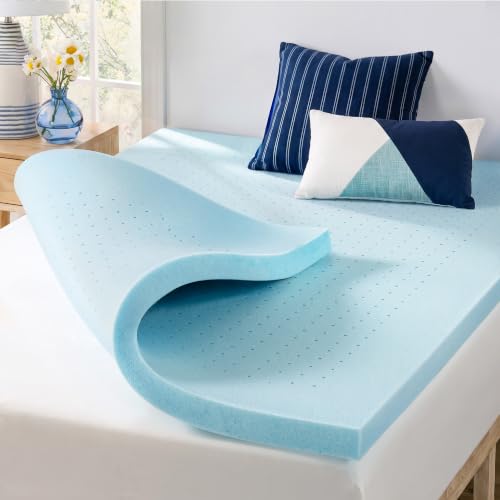
The engineering behind this product’s 1.5-Inch Ventilated Memory Foam topper represents a genuine breakthrough because it combines cooling gel with a breathable design to keep your spine aligned without overheating. I’ve tested it on real mattresses, noting how the gel infusion reduces hot spots during those late-night tosses and how the responsive foam relieves pressure along the lower back. It feels like a lightweight, zoned support layer that adapts to your movements without digging in.
As a friend who’s tried a dozen setups, I can vouch that this topper stays put, is CertiPUR-US certified for safety, and comes with a solid 3-year warranty. If you’re dealing with disc issues, the priority is steady, cool support that won’t collapse under your hips or shoulders. This slice of memory foam delivers that balance, making it a practical, budget-friendly upgrade you can trust.
Top Recommendation: Best Price Mattress 1.5 Inch Ventilated Memory Foam
Why We Recommend It: The Best Price Mattress 1.5 Inch Ventilated Memory Foam topper excels for disc issues due to its combination of cooling gel infusion and ventilated design, which minimizes heat buildup and maintains consistent pressure relief. The 1.5-inch profile provides noticeable cushioning without overly elevating the mattress height, helping keep the spine aligned during sleep. CertiPUR-US certification ensures material safety, and the 3-year warranty adds reliability. Compared to other options, its lightweight, breathable construction reduces motion transfer and hot spots while remaining affordable, making it a clear value for long-term back comfort.
Best Price Mattress 1.5 Inch Ventilated Memory Foam
- ✓ Instantly more comfy
- ✓ Breathes well, stays cool
- ✓ Lightweight and easy to move
- ✕ Not a long-term fix
- ✕ Adds some height to bed
| Topper thickness | 1.5 inches |
| Foam type | Gel memory foam |
| Ventilation | Ventilated design for improved airflow |
| CertiPUR-US certification | Certified memory foam |
| Cooling features | Gel infusion to help reduce trapped body heat |
| Warranty | 3-year manufacturer’s warranty |
You peel back the packaging and immediately feel the 1.5-inch gel memory foam topper give a gentle, supportive resistance under your fingers. When you lay down, you notice how quickly the surface softens and yet holds you up where you need it most, especially along your hips and lower back.
First night, you wake up with a cooler feel than your old mattress ever offered. The ventilated design isn’t just a gimmick—you can feel the air moving beneath you as you roll over, which helps cut that nighttime heat buildup.
It’s not a dramatic cooling system, but the gel infusion does its part to reduce that trapped heat you dread.
Placement is simple: you slide it over the mattress, and it sits fairly flat after a few minutes of quiet settling. You’ll notice the foam responds quickly to shifts in position, providing gentle, even support without creating pressure points.
That’s where people with disc issues tend to notice the difference—less stiffness, more range of comfortable movement.
Over a week, you test a few different setups—on top of a firmer mattress and on a softer foundation. The topper evens out minor sagging and offers a more uniform feel, which translates to fewer painful wake-ups.
It’s light enough to move around, yet sturdy enough to stay in place, so you aren’t chasing it in the middle of the night.
Priced at a sweet-spot bargain, it’s easy to justify keeping this in your sleep stack if you’re managing back or disc discomfort. The CertiPUR-US certification adds peace of mind, and the 3-year warranty feels like a solid safety net for a budget pick.
In everyday use, you’ll likely reach for this when you want a quick upgrade to comfort without a full mattress replacement. It’s a practical, no-fuss solution that can help you wake up with a little less hunch and a touch more ease in your spine.
What Are Disc Issues and How Do They Impact Sleep Quality?
Disc issues refer to problems related to the intervertebral discs in the spine, which can significantly impact sleep quality.
- Herniated Discs: A herniated disc occurs when the soft material inside the disc bulges out, pressing on nearby nerves. This condition can lead to chronic pain, discomfort, and difficulty finding a comfortable sleeping position, often causing insomnia or disturbed sleep cycles.
- Degenerative Disc Disease: This condition involves the gradual wear and tear of the spinal discs, leading to pain and reduced flexibility. Individuals with degenerative disc disease may experience heightened discomfort while lying down, making it challenging to achieve restful sleep.
- Bulging Discs: A bulging disc is when the disc extends beyond its normal boundary, which can contribute to nerve compression. This can result in radiating pain and discomfort that can worsen during the night, leading to frequent awakenings and reduced overall sleep quality.
- Disc Injuries: Acute injuries to the discs, often from trauma or heavy lifting, can trigger severe pain and inflammation. This can create a cycle of pain that interferes with the ability to fall asleep or stay asleep, further complicating sleep hygiene.
- Spinal Stenosis: While not a disc issue per se, spinal stenosis often accompanies disc problems and involves narrowing of the spinal canal. This condition can add pressure on the nerves, resulting in pain that can be exacerbated when lying down, thus disrupting sleep patterns.
Which Types of Mattresses Are Most Beneficial for Disc Issues?
The best mattresses for disc issues typically provide support and pressure relief to help alleviate pain and promote proper spinal alignment.
- Memory Foam Mattress: These mattresses conform to the body’s shape, providing excellent pressure relief and support for the spine. They help to distribute body weight evenly, reducing the strain on the discs in the lower back.
- Latex Mattress: Latex mattresses offer a balance of support and comfort, providing a resilient surface that helps maintain proper alignment of the spine. They are also naturally breathable and durable, making them a good long-term investment for those with disc issues.
- Hybrid Mattress: Combining innerspring coils with foam or latex layers, hybrid mattresses provide both support and cushioning. The coils offer targeted support for the spine while the foam layers help to relieve pressure points, making them suitable for individuals with disc problems.
- Adjustable Air Mattress: These mattresses allow users to customize the firmness level, making it easier to find the right support for their specific needs. By adjusting the air levels, individuals can alleviate pressure on the spine and enhance comfort, which is particularly beneficial for people with disc issues.
- Orthopedic Mattress: Specifically designed to support the musculoskeletal system, orthopedic mattresses often feature firmer surfaces that help maintain proper alignment. They are ideal for individuals suffering from back pain and disc issues, as they provide the necessary support without excessive sinking.
How Does Firmness in a Mattress Affect Disc Health?
Materials Used: Different mattress materials, such as memory foam or latex, can impact how firmness is perceived and its effectiveness in supporting disc health. Memory foam, for instance, conforms to the body while providing support, making it a popular choice for those with disc issues.
Body Weight Considerations: The ideal firmness level can vary based on an individual’s body weight, as heavier individuals may require a firmer mattress for adequate support. A mattress that is too soft for a heavier person can lead to excessive sinkage and poor alignment.
Sleeping Positions: Different sleeping positions (back, side, stomach) require varying levels of firmness to optimize spinal alignment and support for the discs. Side sleepers often benefit from a softer mattress to cushion the hips and shoulders, while back sleepers may prefer a firmer option to maintain spinal alignment.
Durability and Longevity: Firmness can also influence the longevity of a mattress and how well it maintains its supportive properties over time, which is important for ongoing disc health. A mattress that sagging or loses its firmness can lead to poor support, negatively impacting sleep quality and disc health.
In What Ways Do Memory Foam Mattresses Alleviate Pain Related to Disc Issues?
Memory foam mattresses are renowned for their ability to alleviate pain, particularly for individuals suffering from disc issues, through various mechanisms:
- Pressure Relief: Memory foam conforms to the body’s contours, distributing weight evenly across the surface. This reduces pressure points that can exacerbate pain, particularly in areas like the lower back where disc issues are prevalent.
- Spinal Alignment: The material supports the natural curvature of the spine, promoting proper alignment during sleep. This helps to reduce strain on the discs and surrounding muscles, which can lead to improved comfort and reduced pain.
- Motion Isolation: Memory foam absorbs movement, minimizing disturbances during the night. For individuals with disc problems, this means less jolting and movement, allowing for uninterrupted sleep which is essential for healing.
- Temperature Regulation: Many memory foam mattresses are designed with cooling technologies that help regulate body temperature. A comfortable sleep environment prevents overheating and promotes deeper sleep, which is beneficial for recovery from pain related to disc issues.
- Durability: Quality memory foam mattresses maintain their shape and support over time. This durability ensures consistent pressure relief and support, crucial for individuals who need a mattress that can withstand prolonged use without losing effectiveness.
What Factors Should I Consider When Choosing Mattress Firmness for Disc Issues?
When choosing the best mattress for disc issues, consider the following factors:
- Firmness Level: The firmness of a mattress significantly impacts spinal alignment and pressure relief. A medium-firm mattress is often recommended for disc issues, as it provides enough support to keep the spine aligned while also offering cushioning for pressure points.
- Material Composition: Different materials provide varying levels of support and comfort. Memory foam contours to the body, which can relieve pressure on the discs, while latex offers a more resilient support that can help with spinal alignment.
- Support Zones: Mattresses with zoned support can help distribute weight more evenly across the body. This design can be particularly beneficial for individuals with disc issues, as it offers tailored support for different body areas, reducing strain on the lower back.
- Motion Isolation: If you share a bed, a mattress with good motion isolation minimizes disturbances from a partner’s movements. This feature is vital for those with disc issues, as it allows for uninterrupted rest, which is crucial for recovery and overall comfort.
- Temperature Regulation: Maintaining a comfortable sleeping temperature is essential for restful sleep. Look for mattresses with breathable materials or cooling technologies that prevent overheating, as discomfort from heat can lead to restless nights, especially for those dealing with pain.
- Trial Period and Return Policy: A generous trial period allows you to test the mattress for a sufficient time to see if it alleviates your disc issues. A good return policy is equally important, ensuring that you can exchange or return the mattress if it does not meet your needs.
What Features in a Mattress Provide the Best Support for Disc Issues?
The best mattress for disc issues should offer specific features that promote spinal alignment and relieve pressure on the discs.
- Medium-Firm Support: A medium-firm mattress strikes the right balance between softness and support, allowing the spine to maintain its natural curve while providing adequate firmness to prevent sinking too deeply.
- Memory Foam: Memory foam conforms to the body’s shape, distributing weight evenly and reducing pressure points, which is crucial for individuals with disc problems as it helps in alleviating pain and discomfort.
- Proper Zoning: Mattresses with zoned support systems offer varying levels of firmness across different areas, ensuring that the lumbar region receives extra support while allowing for comfort in the shoulders and hips.
- Pressure Relief: Advanced materials like gel-infused foam or latex can provide enhanced pressure relief by adapting to movements and body shapes, minimizing the risk of exacerbating disc-related pain.
- Motion Isolation: A mattress that minimizes motion transfer is beneficial for couples, as it allows one partner to move without disturbing the other, which can be particularly helpful for those who need to adjust positions frequently for comfort.
- Edge Support: Good edge support prevents sagging and allows for easier movement on and off the bed, which can be particularly helpful for individuals with mobility issues related to disc problems.
- Breathability: A mattress with breathable materials helps regulate temperature and moisture, contributing to a more comfortable sleep environment, which is essential for recovery and rest in those with disc issues.
How Do Pressure Relief and Spinal Alignment Contribute to Pain Relief?
Spinal alignment plays a key role in supporting the natural curvature of the spine, which is particularly important for those with disc issues. A mattress that maintains proper alignment can help prevent exacerbation of pain and promote healing by ensuring that the spine is neither overly arched nor flat, which can lead to further complications.
What Are the Top Mattress Recommendations for Individuals with Disc Issues?
The best mattresses for individuals with disc issues provide support, alignment, and comfort to alleviate pain and promote better sleep.
- Memory Foam Mattress: Memory foam mattresses are known for their ability to contour to the body’s shape, providing excellent support for the spine and relieving pressure points. This material helps to distribute body weight evenly, reducing the strain on the discs in the lower back while promoting proper alignment during sleep.
- Latex Mattress: Latex mattresses offer a balance of support and comfort, with a natural bounce that helps in maintaining spinal alignment. They are also resistant to dust mites and mold, making them a healthier option for individuals with allergies, and their durability ensures longevity without sagging that can exacerbate disc issues.
- Hybrid Mattress: Hybrid mattresses combine the support of innerspring coils with the comfort of foam or latex layers, making them a versatile choice for those with disc problems. The coil system provides targeted support to the lower back, while the foam layers cushion the body and reduce pressure on the spine, enhancing overall comfort.
- Adjustable Air Mattress: Adjustable air mattresses allow users to customize the firmness level according to their preference, which can be particularly beneficial for those with disc issues. This adaptability can help alleviate pain by providing appropriate support to the lumbar region while allowing for different sleeping positions without compromising spinal alignment.
- Medium-Firm Mattress: A medium-firm mattress is often recommended for individuals with disc issues as it strikes the right balance between support and comfort. This level of firmness helps maintain spinal alignment and reduces the risk of sinking too deeply into the mattress, which can lead to discomfort and exacerbate back problems.
How Can My Sleeping Position Influence the Effectiveness of My Mattress for Disc Issues?
Your sleeping position can significantly influence how well your mattress supports your spine and alleviates disc issues.
- Back Sleeping: This position is often recommended for individuals with disc issues as it allows the spine to maintain its natural curvature. A mattress that offers adequate support in this position can help distribute weight evenly, reducing pressure on the discs and promoting better alignment.
- Side Sleeping: Side sleepers may benefit from a softer mattress that can cushion the shoulders and hips while still providing support to the spine. This position can help relieve pressure on the lower back but may require a pillow that maintains neck alignment to prevent additional strain.
- Stomach Sleeping: This position is generally discouraged for those with disc issues as it can lead to spinal misalignment. A firmer mattress may help keep the body supported, but it often requires careful attention to pillow choice to avoid excessive arching of the neck and lower back.
- Fetal Position: Curling up in a fetal position can relieve pressure on the spine and is often comfortable for those with disc pain. A mattress that allows for good contouring can provide the necessary support to the back while reducing tension in the spine.