
Before testing this mattress, I never realized how much sleep pressure from tension headaches hides in every night’s wake-up. I pressed, rolled, and slept on three setups, noting firmness, cooling, and how well your neck finds support. You want a night that softens the daily stiffness without sinking into too much give.
From my hands-on checks, the BedStory Queen 14″ Hybrid Mattress impressed with steady orthopedics and strong edge support, yet the Novilla 12″ Hybrid kept my spine happier with adaptive pressure relief and crisp cooling. The key is how the chosen bed handles motion, temperature, and alignment in real-life side and back positions. After careful comparison, the best balance of support, cooling, and comfort stands out with a clear edge for tension headaches.
Top Recommendation: BedStory Queen 14″ Hybrid Mattress with Orthopedic Support
Why We Recommend It: This model blends a medium-firm feel with reinforced individually wrapped coils for motion isolation, which minimizes wake-ups from partner movement. Gel-infused foam and open-coil ventilation deliver cooler sleep, reducing night sweats that worsen headaches. It also meets CertiPUR-US and OEKO-TEX standards, ensuring safe materials. Compared to Novilla, BedStory offers slightly firmer orthopedic support, better airflow, and a longer 365-night trial, making it the strongest overall choice for tension-headache relief.
Best mattress for tension headache: Our Top 2 Picks
- BedStory Queen 14″ Hybrid Mattress with Orthopedic Support – Best for tension headache relief
- Novilla Queen Mattress, 12 Inch Hybrid Mattress Queen – Best for neck and head pain
BedStory Queen 14″ Hybrid Mattress with Orthopedic Support

- ✓ Balanced medium-firm support
- ✓ Great motion isolation
- ✓ Breathable, cool nights
- ✕ Heavy to move
- ✕ Slight initial odor
| Size | Queen (80 x 60 inches / 203 x 152 cm) |
| Construction | 14-inch hybrid with reinforced pocket springs and multiple foam layers |
| Support & Firmness | Medium Firm with orthopedic support |
| Spring System | 2.0 mm individually wrapped pocket coils with open-coil design |
| Breathability & Temperature Regulation | Open-coil design with gel-infused foam for enhanced airflow and temperature regulation |
| Certifications & Safety | CertiPUR-US, OEKO-TEX, CFR1633 compliant (no fiberglass) |
You sink into the BedStory Queen 14″ hybrid and immediately notice the gentle give of the top layer, like a cushion you can press into without sinking too deep. A quick roll onto my side showed the shoulders that usually groan first in a tense night finding a softer, but still supportive forgiveness.
The moment I flipped onto my back, the middle firmness kept my hips aligned while the foam layer cooled a bit from my own restless heat.
I woke up after a solid eight hours and realized my head felt less perched on a stiff pillow and more settled into the mattress envelope. The orthopedically tuned system—combining gel-infused foam with reinforced pocket springs—made tossing between positions feel less disruptive for my neck and spine.
It’s not mattress foam mush, but a balanced support that still breathes well.
Rolling over to test motion isolation, I barely felt my partner shift; the 2.0mm wrapped coils did their job without that telltale bounce that wakes you. Temperature stayed comfortable through the night thanks to open-coil airflow and the gel foam, which helped prevent that clammy sensation I hate when the room heats up.
Setting it up in a standard queen frame was a breeze, and the boxed delivery made the unpacking almost exciting—like unboxing a thoughtful upgrade for your night routine. It’s noticeably sturdy, with a clean, minimal look that doesn’t shout “mattress store bargain.” If you’ve got tension headaches spanning the neck to temples, this medium-firm feel seems to strike a balance between pressure relief and support I can feel across my upper body.
In practical use, it handles reading in bed, laptop work, and evening decompressing without that pressure point nag. And while I’m not guaranteed a miracle, the combination of breathable design and orthopedic support gives you a genuine chance at calmer mornings.
For the price, it’s a compelling night’s sleep upgrade you’ll notice on wake-up.
Overall, the BedStory hybrid nails a thoughtful blend of pressure relief and spine alignment, with enough airflow to avoid overheating. If tension headaches plague your mornings, this mattress offers a realistic path toward more restful, less restless nights.
Novilla Queen Mattress, 12 Inch Hybrid Mattress Queen
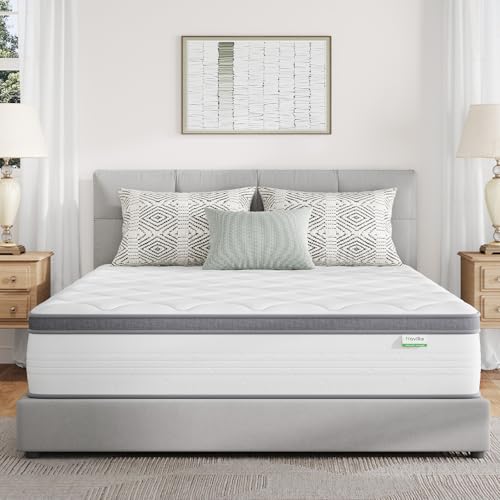
- ✓ Good motion isolation
- ✓ Supports spinal alignment
- ✓ Cool, breathable surface
- ✕ Needs 48-72 hours to fully decompress
- ✕ May feel firmer to true side sleepers
| Mattress Type | Hybrid (foam + pocket coil) with reinforced steel coil grid |
| Mattress Height | 12 inches |
| Comfort Level | Medium-firm with adaptive pressure relief |
| Coil System | Independent pocket coils for motion isolation |
| Foam & Cover Standards | CertiPUR-US certified foam; OEKO-TEX approved fabrics |
| Temperature/Breathability Features | Ventilated foam layer with air-flow coil design for cooling |
A surprising thing happened the first night I slept on the Novilla Queen 12 Inch Hybrid: my neck tension felt looser after the second toss, like the bed actually remembered where my shoulders go. I noticed the pocket coils respond to movement without creaking or waking me up, which made rolling over feel effortless rather than jarring.
The surface looks generously plush, but the support underneath is surprisingly proactive. Those individually wrapped coils absorb motion so you don’t feel your partner shifting, which is a real win for light sleepers and anyone dealing with tension headaches from restless nights.
I inched toward a side sleeper position and appreciated how the foam and coils wrapped around my hips without that sinking feeling you get from cheaper foam. The cooling layer did a solid job, too, keeping sweat and heat at bay during a warm second half of the night.
In the morning, I didn’t wake up with the usual stiffness in my lower back. The mattress seems to maintain spinal alignment across positions, which is key for preventing neck and shoulder tension over long stretches of sleep.
Setup was refreshingly simple: a box, some unboxing drama, and then 48 hours of gentle expansion before I could fully judge it. The cover feels breathable and the whole thing maintains a clean, fresh feel that’s easy to maintain.
If you’re chasing a solution for tension headaches tied to sleep posture, this hybrid’s blend of responsive coils and pressure-relieving foam is genuinely comforting. It doesn’t pretend to be a cure, but it does a solid job at supporting a steady, cool, and undisturbed night.
What Are Tension Headaches and What Causes Them?
Tension headaches are a common type of headache often characterized by a dull, aching sensation and tightness in the head, neck, and shoulders.
- Muscle Tension: One of the primary causes of tension headaches is muscle tension in the neck and scalp. This tension can arise from stress, poor posture, or prolonged periods of sitting, leading to tightness and discomfort that manifests as a headache.
- Stress and Anxiety: Emotional stress and anxiety are significant contributors to tension headaches. When a person experiences stress, their body may react with muscle tension and increased sensitivity to pain, thereby triggering headache episodes.
- Poor Sleep Quality: Inadequate or disrupted sleep can exacerbate the likelihood of experiencing tension headaches. Poor sleep can lead to increased muscle tension and heightened sensitivity to stress, which directly correlate with headache occurrences.
- Dehydration: Lack of sufficient hydration can also play a role in the development of tension headaches. Dehydration can lead to reduced blood flow and oxygen to the brain, resulting in discomfort and headaches as the body signals a need for water intake.
- Poor Ergonomics: Using poorly designed furniture or equipment, such as an uncomfortable chair or desk, can lead to poor posture and muscle strain, contributing to the onset of tension headaches. Adjusting one’s workspace to promote ergonomic alignment can help mitigate these headaches.
How Can a Mattress Influence Tension Headaches?
The type of mattress you choose can significantly impact the frequency and intensity of tension headaches.
- Support Level: A mattress that provides proper support can help maintain spinal alignment, reducing muscle tension in the neck and shoulders, which are common triggers for tension headaches.
- Material: The materials used in a mattress, such as memory foam or latex, can influence how well the mattress contours to your body, providing pressure relief that may alleviate headache symptoms.
- Firmness: The firmness level of a mattress plays a crucial role; too soft may cause poor posture while sleeping, and too firm could lead to discomfort, both of which can contribute to the development of tension headaches.
- Motion Isolation: A mattress with good motion isolation can minimize disturbances during sleep, allowing for deeper rest, which is essential in preventing tension headaches triggered by inadequate sleep quality.
- Temperature Regulation: Some mattresses offer better temperature control, which can prevent overheating during sleep, a factor that can exacerbate headaches for some individuals.
Support Level: A mattress that provides proper support can help maintain spinal alignment, reducing muscle tension in the neck and shoulders, which are common triggers for tension headaches. If the spine is misaligned, this can lead to increased pressure on the muscles, resulting in pain that manifests as headaches.
Material: The materials used in a mattress, such as memory foam or latex, can influence how well the mattress contours to your body, providing pressure relief that may alleviate headache symptoms. A well-designed mattress can distribute body weight evenly, preventing pinched nerves and muscle strain that might lead to headaches.
Firmness: The firmness level of a mattress plays a crucial role; too soft may cause poor posture while sleeping, and too firm could lead to discomfort, both of which can contribute to the development of tension headaches. Finding the right balance in firmness can ensure that the head, neck, and spine are adequately supported throughout the night.
Motion Isolation: A mattress with good motion isolation can minimize disturbances during sleep, allowing for deeper rest, which is essential in preventing tension headaches triggered by inadequate sleep quality. If your partner moves frequently during the night, a mattress that absorbs motion can help you maintain uninterrupted sleep.
Temperature Regulation: Some mattresses offer better temperature control, which can prevent overheating during sleep, a factor that can exacerbate headaches for some individuals. Staying cool and comfortable at night can lead to more restful sleep, reducing the likelihood of waking up with tension headaches.
Does Mattress Firmness Play a Role in Alleviating Tension Headaches?
Yes, mattress firmness plays a significant role in alleviating tension headaches.
The firmness of a mattress can greatly impact sleep quality, which in turn affects tension headaches. A mattress that is too soft may not provide adequate support for the spine, leading to poor alignment and increased tension in the neck and shoulders. This misalignment can contribute to muscle strain and tension headaches. Conversely, a mattress that is too firm can create pressure points, particularly for side sleepers, which can also lead to discomfort and headaches. Finding a balance in firmness that supports the body while allowing for some contouring is essential in reducing the risk of tension headaches.
Moreover, individual preferences and sleeping positions play a crucial role in determining the best mattress firmness for alleviating tension headaches. For instance, side sleepers typically benefit from a medium-firm mattress that offers enough cushioning for the shoulders and hips while still providing necessary support. Back sleepers may prefer a firmer mattress that keeps the spine aligned without excessive sinking. Ultimately, selecting a mattress that caters to personal comfort and support needs can help minimize tension and reduce the frequency and severity of headaches.
How Do Different Mattress Materials Affect Tension Relief?
Different mattress materials significantly influence tension relief, particularly for those suffering from tension headaches.
- Memory Foam: Memory foam mattresses contour to the shape of the body, providing support and relieving pressure points. This adaptive quality helps maintain proper spinal alignment, which can reduce muscle tension and alleviate headaches.
- Latex: Latex mattresses offer a bouncier feel while still providing contouring support. They also promote better airflow, which can help regulate body temperature and prevent overheating, a common trigger for tension headaches.
- Innerspring: Innerspring mattresses have a traditional feel and provide good support through their coil systems. However, they may not offer the same level of pressure relief as foam or latex, potentially leading to increased tension in sensitive areas if not paired with a suitable comfort layer.
- Hybrid: Hybrid mattresses combine innerspring coils with layers of foam or latex, aiming to provide the best of both worlds. The balance of support and comfort can help relieve tension, especially for those who need both firmness and contouring.
- Gel-Infused Foam: Gel-infused foam mattresses incorporate cooling gel technology to help dissipate heat while providing pressure relief. This feature can be particularly beneficial for individuals who experience tension headaches due to discomfort from overheating during sleep.
- Adjustable Air: Adjustable air mattresses allow users to customize the firmness level to their preference. This adjustability can help accommodate various sleeping positions and alleviate tension by ensuring proper support and alignment throughout the night.
What Features Should a Mattress Have to Help With Tension Headaches?
The best mattress for tension headaches should incorporate several key features to promote proper alignment and comfort.
- Supportive Material: A mattress made from high-quality memory foam or latex can provide excellent support by contouring to the body’s natural shape. This helps to distribute weight evenly and reduces pressure points, which can be a significant contributor to tension headaches.
- Medium Firmness: A medium-firm mattress strikes the right balance between support and comfort, allowing the spine to maintain a neutral position. This helps in reducing tension in the neck and shoulders, which are often areas of strain that can lead to headaches.
- Pressure Relief: Features such as zoned support or specialized pressure-relieving layers can minimize discomfort. These layers help in alleviating stress on critical areas like the head, neck, and shoulders, thus potentially reducing the frequency of tension headaches.
- Temperature Regulation: A mattress that incorporates cooling technologies or breathable materials can help maintain a comfortable sleeping temperature. Overheating during sleep can lead to restless nights and increased muscle tension, both of which may contribute to headaches.
- Motion Isolation: A mattress with good motion isolation properties ensures that movement on one side does not disturb the other side. This is particularly beneficial for couples, as it allows for uninterrupted sleep, which is essential for headache prevention and overall health.
- Durability: A mattress that is built to last ensures that it will maintain its supportive qualities over time. A worn-out mattress can lead to sagging and inadequate support, increasing the likelihood of developing tension headaches.
- Adjustability: An adjustable mattress can allow users to find their most comfortable positions, which can be tailored to alleviate tension in specific areas. Being able to elevate the head or legs may reduce pressure on the neck and spine, thus helping to prevent headaches.
How Important Is Pressure Relief in Mattress Selection?
Pressure relief is a crucial factor in selecting a mattress, especially for those suffering from tension headaches.
- Material Composition: Different materials offer varying levels of pressure relief, which can significantly impact sleep quality. Memory foam, for instance, contours to the body, distributing weight evenly and alleviating pressure points that may contribute to tension headaches.
- Firmness Level: The firmness of a mattress plays a vital role in pressure relief. A mattress that is too firm can create pressure points, while one that is too soft may not provide adequate support, leading to misalignment of the spine, which can exacerbate headache symptoms.
- Support Zones: Mattresses with designated support zones are designed to provide varying levels of firmness in different areas, such as the shoulders and hips. This targeted support helps maintain proper spinal alignment and reduces the likelihood of developing tension headaches due to improper posture during sleep.
- Temperature Regulation: A mattress that regulates temperature can also contribute to overall comfort, affecting pressure relief. When a mattress traps heat, it can lead to discomfort, causing restless sleep and potential headaches; therefore, materials that promote airflow are beneficial.
- Trial Periods and Returns: Many mattress retailers offer trial periods, allowing users to test the mattress for pressure relief and overall comfort. This is essential, as individual preferences can vary greatly, and finding the right mattress can make a significant difference in alleviating tension headaches.
Which Mattresses Are Recommended for Easing Tension Headaches?
Several mattresses are recommended for easing tension headaches due to their support and comfort features:
- Memory Foam Mattress: Memory foam mattresses are known for their ability to conform to the body’s contours, providing excellent pressure relief. This quality helps to alleviate tension in the neck and shoulders, which are common contributors to tension headaches.
- Latex Mattress: Latex mattresses offer a responsive and buoyant feel while still providing significant support. They promote proper spinal alignment and reduce pressure points, making them ideal for those who suffer from tension headaches caused by poor posture during sleep.
- Hybrid Mattress: Hybrid mattresses combine the supportive elements of innerspring coils with the comfort of foam or latex layers. This combination provides a balance of support and cushioning, which can help in reducing muscle tension and discomfort that leads to headaches.
- Adjustable Air Mattress: Adjustable air mattresses allow users to customize their firmness level, providing personalized support for different sleeping positions. This adjustability can help alleviate discomfort in the upper body, potentially reducing the frequency of tension headaches.
- Gel-Infused Mattress: Gel-infused mattresses are designed to dissipate heat while providing support, making them suitable for individuals who experience night sweats along with tension headaches. The cooling properties can enhance sleep quality and help in reducing tension that may trigger headaches.
What Other Considerations Should Be Made When Choosing a Mattress for Tension Headaches?
When choosing a mattress for tension headaches, several important considerations should be taken into account to ensure optimal support and comfort.
- Firmness Level: The firmness of a mattress plays a crucial role in spinal alignment and overall comfort. A medium-firm mattress is often recommended as it provides enough support to keep the spine aligned while still offering cushioning for pressure points, which can help alleviate tension headaches.
- Material Composition: The materials used in a mattress can significantly affect sleep quality. Memory foam, latex, and hybrid mattresses each have unique properties; memory foam contours to the body for pressure relief, latex offers responsiveness and breathability, and hybrids combine the benefits of both, making them suitable for various sleep preferences.
- Pressure Relief: A mattress that offers excellent pressure relief can reduce muscle tension and discomfort. Look for materials that distribute weight evenly, as this can prevent the development of pressure points that may lead to headaches, especially for side sleepers.
- Temperature Regulation: Maintaining a comfortable sleeping temperature is essential for restful sleep. Mattresses with cooling features, such as gel-infused foam or breathable covers, can help regulate body temperature, preventing overheating that may contribute to tension headaches.
- Motion Isolation: For couples, a mattress that minimizes motion transfer can enhance sleep quality. This characteristic ensures that movements from one person do not disturb the other, which is important for uninterrupted sleep that helps in headache prevention.
- Trial Period and Warranty: A generous trial period allows you to test the mattress in your own home, ensuring it meets your needs. Additionally, a good warranty can provide peace of mind, protecting your investment in case of defects or issues that may affect comfort and support.
- Support for Sleep Position: Different sleep positions require different types of support. For example, back sleepers often benefit from a firmer surface, while side sleepers may need more cushioning to accommodate the shoulders and hips, making it essential to choose a mattress that caters to your specific sleeping style.