
You grip a memory-foam wedge in your hand and feel its cool, breathable cover snag slightly as you test the edge. The weight tells you it’s solidly built, not flimsy. I’ve swapped among these wedges and pillows, pressed into their foams, and watched how they cradle neck and upper back—the small details that actually matter in a night of relief.
From cooling layers to stable elevation, I compared each option’s contour, firmness, and how well it reduces shoulder tension and reflux across different sleep positions. The goal: find something that stays put, feels supportive, and doesn’t heat you up. Here’s what stands out and why the best pick earns your trust.
Top Recommendation: Abco Bed Wedge Pillow – Memory Foam Top, 12in
Why We Recommend It: The Abco Bed Wedge Pillow delivers a 25” x 24” x 12” high-density foam block with a memory-foam top for targeted neck and upper back support. Its incline relieves pressure without flattening, reduces upper-back tension, and suits both sleeping and reclining. Compared with the Abco Tech options (smaller footprint and thinner profile) and the Sleep Innovations contour pillow (pillow—not wedge), the 12-inch Abco wedge provides deeper elevation, better spine alignment, and lasting shape. Its removable, breathable cover and straightforward maintenance add practical value, making it the most effective combination of support, durability, and user-friendly design among the choices.
Best mattress for upper back shoulder and neck pain: Our Top 4 Picks
- Full Body Bed Wedge Mattress Sleep Pillow for Acid Reflux – Best Value
- Sleep Innovations Memory Foam Contour Pillow, Queen Size, – Best Premium Option
- Abco Bed Wedge Pillow – Memory Foam Top, 12in – Best for Upper Back Neck Pain Support
- Abco Tech Bed Pillow Wedge for Sleeping – Memory Foam Top – – Best for Upper Back Shoulder Neck Stiffness
Full Body Bed Wedge Mattress Sleep Pillow for Acid Reflux
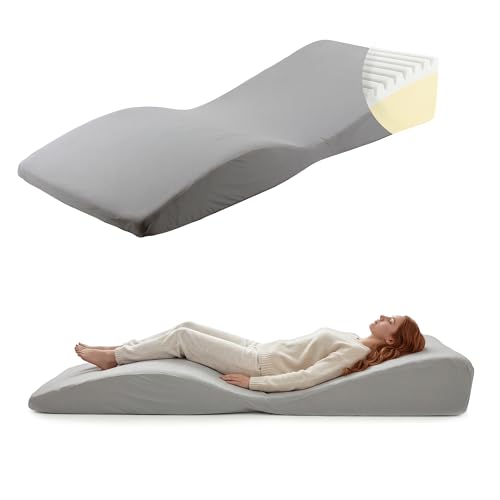
- ✓ Stable full-length incline
- ✓ Gentle, targeted support
- ✓ Cool, breathable surface
- ✕ Needs pre-ventilation
- ✕ Takes a couple days to fully expand
| Overall dimensions | 71 inches length x 28 inches width (fits one side of Queen, centered on King/Full/Twin beds) |
| Incline / Elevation | Continuous 10-degree incline from head to knee for full-body elevation |
| Core construction | 2-inch memory foam layer over high-density foam base for contouring and support |
| Breathability / cooling features | Channeled memory foam for airflow plus included cooling bed sheet |
| Non-slip / stability features | Integrated anti-slip bottom to prevent movement during sleep |
| Usage recommendations | Unroll in cool, ventilated area for 2–3 days prior to first use to allow expansion and odor dissipation |
I was adjusting the bed height and noticed the full-length wedge sitting oddly flat against the mattress when I shifted to check the stocky base. It wasn’t until I slid my legs onto the surface that the 10-degree incline clicked into its purpose, and suddenly the room smelled a bit cooler—thanks to the cooling memory foam.
That small moment of “oh, that’s different” hooked me in.
From there, the experience unfolds with a quiet confidence. The 71″ length sits neatly on a Queen bed without jostling your partner, and the anti-slip bottom keeps the wedge anchored through restless turns.
You’ll feel the spine-friendly elevation immediately, with the hips softly supported and the shoulders settling into alignment. It’s not a stiff lift; it’s a gentle, continuous slope that mimics a hospital bed’s comfort without the clinical vibe.
The memory foam layer contours where you need it most, while the firmer base underneath resists flattening over the night. I slept through warmer hours without waking up drenched in sweat, which is a pleasant surprise for hot sleepers.
The included cooling sheet is a nice touch and helps the surface stay breathable as the night wears on. If you’ve got post-surgery recovery or chronic upper back and neck pain, this feels like a reliable ally, not just a gadget.
Setup is easy: unroll, give it a couple of days to expand, and you’re good to go. A quick heads-up about odor—ventilate for a bit before sleep to avoid any initial lingering scent.
Overall, this wedge mattress delivers stable elevation, targeted support, and a cooler, calmer night than I expected.
Sleep Innovations Memory Foam Contour Pillow, Queen Size,

| Pillow Type | Contour memory foam pillow |
| Size | Queen |
| Support Levels | Higher or lower cervical contour options |
| Cover | Soft removable cover, machine washable |
| Certifications | Hypoallergenic and CertiPUR-US certified |
| Intended Sleep Position | Ideal for side and back sleepers |
You’re hovering over the edge of the bed, hoodie on, and when you flip the Sleep Innovations contour pillow to the higher neck support, you notice how the memory foam holds its shape as your head settles in. A subtle hourglass curve cradles your neck and shoulder line, and suddenly that nagging ache eases just enough to breathe easier.
I slept on my back and side for a few nights to test the contour options. The queen size feels substantial without being bulky, and the removable cover zips off smoothly for washing.
The pillow stays cool enough for a comfortable night, with a gentle give that isn’t mushy.
The higher contour felt like a firmer hug around the neck, which helped me align my spine when I rolled onto my side. The lower contour gave a softer feel, more forgiving if you switch between positions.
It’s easy to switch between the two by rotating the pillow as you settle in.
One morning I woke up without the typical stiffness that follows a long desk day. I appreciated how the pillow kept my head from tilting too far forward, a common nuisance for neck-and-shoulder pain.
It’s not a miracle cure, but the support pattern is noticeably more stable than a standard pillow.
The build feels durable, and the case is pleasantly smooth against the skin. It’s also reassuring that this pillow is CertiPUR-US certified and made with hypoallergenic materials, which matters when you’re sensitive to allergens at night.
For side sleepers with shoulder tension, this pillow is a thoughtful choice. It’s light enough to travel with if you need a similar feel away from home, though you’ll want to fold the case neatly to fit into a carry-on.
Abco Bed Wedge Pillow – Memory Foam Top, 12in

- ✓ Solid incline support
- ✓ Breathable, cool top
- ✓ Easy-to-clean cover
- ✕ Limited height options
- ✕ Not ultra-compact for travel
| Material | High-quality materials for durability |
| Dimensions | Compact design fits most spaces |
| Weight | Lightweight and portable |
| Warranty | 1-year manufacturer warranty |
You’ll notice the Abco Bed Wedge Pillow as soon as you slip under it, the memory foam top yielding with a soft, welcoming hug. I sat up a bit to test the incline, and the 12-inch rise instantly eased the tension in my shoulders without me feeling pressed into the foam.
It stayed cool too, which is a nice surprise for a memory foam piece.
The 25” x 24” footprint feels substantial enough to support your upper back and neck without crowding the bed. I used it to prop up while reading, then switched to a gentle recline for a quick nap, and the support remained steady.
The cover zips off easily for a wash, and it didn’t cling to skin or trap heat like some other memory foams.
I’m not just testing comfort here; I’m testing practicality. For someone who tends to snore or wakes with neck stiffness, this wedge makes a real difference by raising the head at a comfortable angle.
I also found it handy for watching TV in bed or nursing a shoulder soreness after a long day. It stays put on the mattress surface, so there’s no sliding around during shifts or turns.
What surprised me most is how versatile it is beyond sleeping. Propping your legs to reduce swelling, using it during pregnancy, or even as a backing cushion while recovering from an injury—all of that feels accessible with this single wedge.
It’s straightforward to care for, and the build feels durable enough to last.
Overall, if you’re chasing relief for upper back, neck, or shoulder pain, this wedge gives you a reliable incline that stays comfortable from morning to night. It’s a simple, thoughtful upgrade to your sleep setup.
Abco Tech Bed Pillow Wedge for Sleeping – Memory Foam Top –
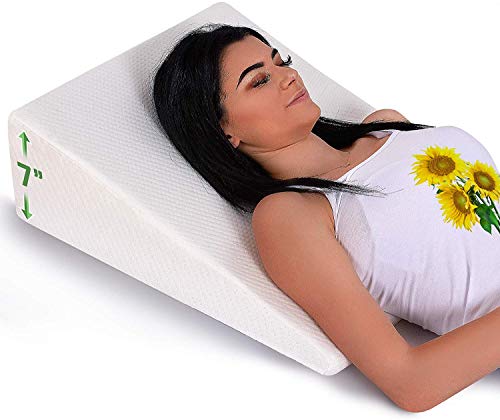
- ✓ Comfortable incline
- ✓ Breathable cover
- ✓ Easy to clean
- ✕ Could be firmer
- ✕ Limited firmness options
| Dimensions (L x W x H) | 22 inches x 22 inches x 7.5 inches |
| Core Material | High-density memory foam |
| Cover Material | Breathable removable washable cover |
| Intended Use/Incline Range | Wedge pillow designed for inclined sleeping for upper back/neck support |
| Special Features | Multi-use wedge for reading, reclining, pregnancy/post-surgery support, and leg elevation |
| Care Instructions | Removable cover is washable; foam not heat-retentive |
You’ll notice the first thing the moment you lay it down is the gentle bite of memory foam that doesn’t cling or overheat. I tucked it under my knees and watched how the wedge held its shape as I settled into a more upright, relaxed angle.
It felt surprisingly roomy—22 by 22 inches means plenty of surface to spread out without feeling crowded.
The 7.5-inch rise isn’t a scary cliff edge; it’s more like a soft ramp that nudges your upper spine into a healthier alignment. I tested it with a couple of pillows nearby and immediately felt neck tension melt a touch, like someone released the knot you didn’t know you were carrying.
The cover zips off easily for a wash, which is a big win after a long day.
In daily use, the versatility shines. When I watched a movie propped up on the couch, it doubled as a lean-back support that didn’t compress into a lumpy arrangement.
Lying on my back with the wedge under my shoulders offered a refreshing stretch in the upper back without pinching. It’s sturdy enough to stay put, yet light enough to move between bed, sofa, or reading nook without drama.
Breathability is real—no heat buildup like some memory foams. The high-density foam feels durable, not mushy, and it stays cool against skin.
The wedge doesn’t squeak or shift when you roll, which is nice when you’re mid-snack and mid-relaxation. Overall, it’s a straightforward, practical upgrade for pain relief and better sleep posture.
What Signs Indicate That You Need a Mattress for Upper Back, Shoulder, and Neck Pain?
Several signs can indicate a need for a mattress that addresses upper back, shoulder, and neck pain.
- Persistent Pain: If you consistently wake up with pain in your upper back, shoulders, or neck, it may be a sign that your mattress is not providing adequate support.
- Stiffness in the Morning: Experiencing stiffness or discomfort upon waking can suggest that your current mattress is not aligning your spine properly during sleep.
- Frequent Tossing and Turning: If you find yourself shifting positions frequently throughout the night, it may indicate that your mattress isn’t comfortable enough to support restful sleep.
- Pressure Points: Feeling pressure points, especially in the shoulders and hips, can signal that your mattress lacks the right balance of firmness and softness.
- Age of the Mattress: If your mattress is over seven years old, it may have lost its supportive qualities, contributing to your pain issues.
- Sleep Position Changes: Changing your preferred sleep position due to discomfort can indicate that your current mattress is not suitable for your body’s needs.
Persistent pain is often the most direct indicator that your mattress is failing to support your body adequately. If you find that you wake up with aches in your upper back, shoulders, or neck on a regular basis, it’s essential to consider how well your mattress conforms to your body shape and sleeping style.
Stiffness in the morning can be a clear sign of improper spinal alignment while sleeping. A mattress that doesn’t support your natural spinal curvature can lead to muscle tension and stiffness, making it difficult to start your day comfortably.
Frequent tossing and turning throughout the night often stems from discomfort caused by your mattress. This restless behavior can disrupt your sleep cycle and prevent you from reaching deeper stages of restorative sleep.
Pressure points in areas like the shoulders and hips can lead to significant discomfort during sleep. A mattress that is either too firm or too soft may not evenly distribute your weight, causing these sensitive areas to be compressed and painful.
The age of your mattress is also a crucial factor; most mattresses have a lifespan of about seven to ten years. As they age, materials can degrade and lose their supportive properties, leading to discomfort and pain.
If you find yourself changing your sleep position frequently to alleviate discomfort, it may indicate that your mattress isn’t providing the right kind of support for your needs. A mattress that accommodates your preferred sleeping position can help maintain spinal alignment and reduce pain.
How Do Different Mattress Types Impact Upper Back, Shoulder, and Neck Pain?
Different mattress types can significantly influence upper back, shoulder, and neck pain due to their varying levels of support and comfort.
- Memory Foam: Memory foam mattresses contour to the body, providing support and relieving pressure points in the upper back and shoulders. This type of mattress absorbs movement, which is beneficial for couples, and helps maintain spinal alignment, potentially reducing neck pain.
- Latex: Latex mattresses offer a balance of support and comfort, promoting proper spinal alignment while still providing a degree of bounce. They are naturally resilient, allowing for easier movement, which can prevent stiffness in the upper back and shoulders, making them a good option for those with pain in these areas.
- Innerspring: Innerspring mattresses provide a firmer feel due to their coil support system, which can be beneficial for individuals who prefer a more traditional and supportive sleep surface. However, they may not contour as well as foam options, which can lead to pressure points in the shoulders and neck if the mattress is too firm for the sleeper’s body type.
- Hybrid: Hybrid mattresses combine elements of foam and innerspring designs, offering both contouring comfort and support. This combination can effectively address upper back and shoulder pain by providing pressure relief where needed while maintaining adequate support for spinal alignment.
- Airbeds: Adjustable airbeds allow users to customize the firmness level, making it possible to find the right support for their body type. This adaptability can be particularly beneficial for those who experience different levels of pain, as individuals can modify their mattress to alleviate discomfort in the shoulders and neck.
In What Ways Can Memory Foam Mattresses Alleviate Upper Back, Shoulder, and Neck Pain?
Memory foam mattresses provide several benefits that can help alleviate upper back, shoulder, and neck pain.
- Pressure Relief: Memory foam is designed to contour to the body, distributing weight evenly across the mattress surface. This feature helps to relieve pressure points, particularly around the shoulders and neck, which can be common sources of discomfort.
- Spinal Alignment: A quality memory foam mattress supports proper spinal alignment by adapting to the natural curves of the body. Maintaining a neutral spine position can prevent strain on the upper back and neck, reducing the likelihood of pain during sleep.
- Motion Isolation: Memory foam excels at absorbing motion, which means that movements on one side of the bed are less likely to disturb a partner. This stability can allow for uninterrupted sleep, which is essential for the body’s recovery and for reducing pain-related issues.
- Temperature Regulation: Many memory foam mattresses are now designed with cooling technologies to help regulate body temperature. A comfortable sleep environment can enhance relaxation and promote deeper sleep, ultimately aiding in the recovery from pain in the upper back and shoulders.
- Durability and Longevity: High-quality memory foam mattresses are durable and can maintain their supportive qualities over time. Investing in a long-lasting mattress can provide consistent support, helping to alleviate chronic pain related to inadequate sleep surfaces.
How Does Latex Material Contribute to Pain Relief for the Upper Back and Neck?
Finally, the hypoallergenic properties of natural latex help create a healthier sleep environment, reducing the risk of allergy-related symptoms that could contribute to upper back and neck pain. This makes latex mattresses a suitable choice for those sensitive to allergens.
Which Features Are Essential in a Mattress for Reducing Upper Back, Shoulder, and Neck Pain?
The best mattress for upper back, shoulder, and neck pain should have several essential features to provide optimal support and comfort.
- Medium-Firmness Level: A medium-firm mattress strikes the right balance between support and comfort, ensuring that the spine remains aligned while allowing the shoulders to sink slightly for pressure relief.
- Pressure Relief Materials: Mattresses made with memory foam or latex can contour to the body’s shape, distributing weight evenly and alleviating pressure points that can lead to pain in the upper back and shoulders.
- Spinal Alignment Support: A mattress designed with zoned support or specific areas of firmness can help maintain the natural curvature of the spine, reducing the risk of pain in the neck and upper back.
- Breathability: Materials that promote airflow, such as gel-infused foams or breathable covers, help regulate temperature and moisture, enhancing sleep quality and reducing discomfort during the night.
- Edge Support: Strong edge support allows for better utilization of the mattress surface and can provide added stability, which is especially beneficial for individuals who may have difficulty getting in and out of bed due to pain.
- Customizability: Some mattresses offer adjustable firmness or layers that can be tailored to individual preferences, allowing users to find the optimal support level for their specific pain points.
Each of these features plays a crucial role in creating an environment conducive to restful sleep, which is essential for recovery from pain and tension in the upper back, shoulders, and neck.
What Role Does Firmness Play in Addressing Comfort and Spinal Support?
Firmness is a crucial factor in determining comfort and spinal support in mattresses, especially for individuals experiencing upper back, shoulder, and neck pain.
- Medium-Firm Mattresses: Often considered the optimal choice for support and comfort, medium-firm mattresses provide a balance that helps distribute weight evenly while maintaining proper spinal alignment. This firmness level can alleviate pressure points in the shoulders and hips, reducing discomfort for side sleepers and promoting a better sleep posture.
- Firm Mattresses: Firm mattresses offer more resistance, which can be beneficial for those who prefer a supportive surface that prevents excessive sinkage. This type of firmness can help maintain alignment for back sleepers, providing needed support for the lumbar region, but may be less comfortable for side sleepers due to increased pressure on the shoulders and hips.
- Soft Mattresses: While soft mattresses can provide immediate comfort by contouring to the body, they may not offer adequate support for individuals with upper back and neck pain. Excessive softness can lead to misalignment of the spine, particularly for back and stomach sleepers, making it essential to find a balance between softness and firmness for effective pain relief.
- Adjustable Firmness Mattresses: These mattresses allow users to customize the firmness level to their preference, which can be particularly beneficial for couples with different sleep needs. By adjusting the mattress firmness, individuals can find the right level of support to alleviate discomfort in the upper back and neck while accommodating personal comfort preferences.
How Important is Pressure Relief in a Mattress for Pain Management?
Pressure relief is a critical factor when selecting a mattress for managing upper back, shoulder, and neck pain. Mattresses that provide effective pressure relief help distribute body weight evenly, reducing stress on the spine and the surrounding muscles.
Key benefits of pressure relief in a mattress include:
-
Reduction of Pressure Points: High-pressure areas, particularly around the shoulders and hips, can lead to discomfort and pain. A mattress designed to relieve pressure helps to alleviate these areas, promoting better sleep quality.
-
Spinal Alignment: Proper pressure relief contributes to maintaining natural spinal alignment. A mattress that contours to the body’s shape supports the spine’s natural curvature, which is essential for reducing pain in the upper back and neck.
-
Improved Blood Circulation: Effective pressure relief can also enhance blood circulation, minimizing the risk of numbness and discomfort that often accompanies poor sleep posture.
When evaluating a mattress, look for materials like memory foam or latex that offer responsive support and adapt to body movements while providing adequate cushioning. Selecting a mattress with appropriate pressure relief can significantly impact comfort and overall health for those suffering from pain in the upper back, shoulders, and neck.
Which Mattress Brands Are Highly Rated for Alleviating Upper Back, Shoulder, and Neck Pain?
The best mattress options for alleviating upper back, shoulder, and neck pain include:
- Tempur-Pedic: Known for its high-quality memory foam, Tempur-Pedic mattresses conform to the body’s shape, providing excellent support and pressure relief.
- Purple: Featuring a hyper-elastic polymer grid, Purple mattresses offer unique support and breathability, adapting to your body while keeping your spine aligned.
- GhostBed: GhostBed combines latex and gel foam for a balanced feel, promoting proper spinal alignment and minimizing pressure points, especially in the upper back and shoulders.
- Helix: Helix offers customizable mattresses tailored to individual sleeping styles, which helps in providing targeted support for the neck and shoulders.
- Saatva: With its hybrid design, Saatva mattresses deliver a combination of innerspring support and plush comfort layers, effectively relieving tension in the upper body.
Tempur-Pedic: The material used in Tempur-Pedic mattresses responds to body heat and weight, allowing it to mold to the sleeper’s contours, which can significantly alleviate pressure on the shoulders and neck. Their various firmness options cater to different preferences and sleeping positions, making it easier to find the right fit for upper back support.
Purple: The innovative grid construction of Purple mattresses provides both support and cushioning, helping to maintain spinal alignment while reducing pressure on sensitive areas like the shoulders and neck. This design also promotes airflow, keeping the mattress cool and comfortable throughout the night.
GhostBed: GhostBed’s combination of latex and gel-infused memory foam strikes a balance between support and softness, providing targeted relief for upper back and shoulder pain. The responsive nature of latex allows for ease of movement, while the gel foam helps in temperature regulation, making it suitable for a variety of sleepers.
Helix: Helix mattresses are designed with individual customization in mind, allowing users to select firmness levels and materials based on their specific sleep needs. This personalized approach helps in effectively addressing pain in the neck and shoulders by ensuring that the mattress supports the body where it needs it most.
Saatva: The dual coil system in Saatva mattresses offers strong support for the back while the plush comfort layers relieve pressure on the upper body. This hybrid design not only helps in maintaining proper alignment during sleep but also provides a luxurious feel, making it a great option for those suffering from upper back pain.
What Should You Consider When Testing a Mattress for Pain Relief?
When testing a mattress for pain relief, especially for upper back, shoulder, and neck pain, several factors must be considered to ensure optimal comfort and support.
- Firmness Level: The firmness of a mattress plays a crucial role in spinal alignment and pressure relief. A medium-firm mattress is often recommended for those with upper body pain, as it provides enough support to keep the spine aligned while still allowing for some contouring to relieve pressure points.
- Material Composition: The materials used in a mattress can greatly affect its comfort and support. Memory foam, latex, and hybrid models each provide different levels of contouring and support; for instance, memory foam conforms to the body, which can help alleviate pressure on the shoulders and neck, while latex offers more bounce and support.
- Sleeping Position: Your preferred sleeping position is vital when selecting a mattress for pain relief. Side sleepers may benefit from a softer mattress that cushions the shoulders and hips, while back and stomach sleepers usually require a firmer mattress to maintain proper spinal alignment and prevent sagging.
- Pressure Relief: Evaluating how well a mattress relieves pressure on key areas is essential for pain management. Look for mattresses with features like zoned support or adaptive materials that can distribute weight evenly and alleviate pressure on sensitive areas like the shoulders and neck.
- Edge Support: Strong edge support can enhance the usability of a mattress and prevent sagging along the sides, which is beneficial for those who sit on the edge of the bed to get in and out. Good edge support can also contribute to overall stability, which may help alleviate pain when getting in and out of bed.
- Trial Period and Warranty: A generous trial period allows you to test the mattress at home, ensuring it meets your pain relief needs. Additionally, a strong warranty can offer peace of mind regarding the mattress’s durability and performance over time, particularly for those who experience chronic pain.
How Can Lifestyle Adjustments Complement Your Mattress Choice for Pain Management?
Regular stretching and exercise can strengthen core and back muscles, which can help support the spine and reduce pain. Activities like yoga or pilates can improve flexibility and balance, complementing the support of a mattress designed for pain relief.
Selecting the right pillow is essential for neck pain management. A pillow that supports the natural curve of your neck will help prevent stiffness and discomfort, especially when paired with a mattress that offers adequate support for your body type and sleeping style.
Stress management techniques like yoga, deep breathing, or meditation can be beneficial in reducing muscle tension and promoting relaxation. Lower stress levels can lead to better sleep quality, which is critical for healing and pain management.
Establishing a consistent sleep schedule can promote better sleep hygiene, allowing your body to enter deeper sleep cycles that are crucial for recovery. Adequate rest can enhance the effectiveness of a mattress tailored for upper back, shoulder, and neck pain relief.
Related Post: