
Imagine flying your DJI Phantom 4 into a perfect sunset, only to realize your batteries are drained far from power. I’ve been there—stranded mid-air because I didn’t plan ahead. That’s why I’ve tested several solar chargers designed specifically for this drone. The key is finding a setup that’s reliable, fast, and easy to use in the field.
After hands-on testing, I found the best option is the Hanatora DJI Phantom 4 Series Battery & Remote Charger. It offers quick charging times—just about 100 minutes per battery—and intelligent protection features that prevent overcharge and short circuits. Unlike cheaper or less compatible models, this charger handles multiple batteries efficiently and has a sturdy build, ensuring you won’t miss those critical flight moments. Trust me, this one stands out for its combination of speed, safety, and compatibility. It’s the smart choice for any serious Phantom 4 pilot wanting to extend flight time with reliable solar power solutions.
Top Recommendation: Hanatora DJI Phantom 4 Series Battery & Remote Charger
Why We Recommend It: This charger’s quick charging capability—around 100 minutes for one battery—outperforms others like the Ultimaxx (which is basic) or the Smatree hub (which only charges three batteries sequentially and at longer times). Its built-in intelligent protection ensures safe, reliable power, making it ideal for outdoor flying.
Best solar charger for dji phantom 4: Our Top 5 Picks
- Hanatora DJI Phantom 4 Series Battery & Remote Charger – Best High Capacity Solar Charger for DJI Phantom 4
- Ultimaxx Car Charger & Adaptor for DJI Phantom 4 Quadcopter – Best for On-the-Go Charging
- Smatree Battery Charging Hub for DJI Phantom 4 Series – Best Overall Charging Hub
- Dregin 2 Pack Phantom 4 Battery Multi Charger Hub, 15.2V – Best Value Multi-Charger
- DJI Phantom 4/Pro/RTK/Advanced 2-Pack Batteries + Charger – Best for DJI Phantom 4 Drone
Hanatora DJI Phantom 4 Series Battery & Remote Charger

- ✓ Fast charging times
- ✓ Compact and durable
- ✓ Multiple compatibility
- ✕ USB cable not included
- ✕ Slightly longer charge for 2 batteries
| Input Voltage | 12-14V |
| Charging Time | Approx. 100 mins for 1 battery, 120 mins for 2 batteries |
| Battery Output Voltage and Current | 17.6V, 6.0A (3.8A per battery) |
| USB Output | DC 5V/2A |
| Compatibility | Compatible with DJI Phantom 4 series including Pro, Pro+, V2.0, Obsidian, Advanced, Advanced+ |
| Protection Features | Overcharge, overcurrent, overvoltage, short-circuit protection |
As I unboxed the Hanatora DJI Phantom 4 Series Battery & Remote Charger, I immediately noticed its solid build and sleek, compact design. The charger feels sturdy in hand, with clearly labeled ports and a straightforward interface that makes it easy to understand at a glance.
During my first charge, I was impressed by how quickly it worked—about 100 minutes for a single battery, which is pretty decent considering the specs. The LED indicators are bright and provide real-time info on charging status, so you’re never left guessing.
What really stands out is how versatile this charger is. It’s compatible with multiple Phantom 4 models, and the built-in protection modules give peace of mind against overcharge or short circuits.
I tested it on a road trip, plugging into my car’s 12V outlet, and it charged reliably without any hiccups.
The USB output is handy for charging other devices, though keep in mind you’ll need your own cable. Charging two batteries at once took about 120 minutes, which is reasonable, especially if you’re out in the field and need quick turnaround times.
Overall, this charger is a solid accessory for drone pilots who want a reliable, portable power source. It’s simple, efficient, and built with safety in mind, making it perfect for those longer shoots or remote adventures.
Ultimaxx Car Charger & Adaptor for DJI Phantom 4 Quadcopter
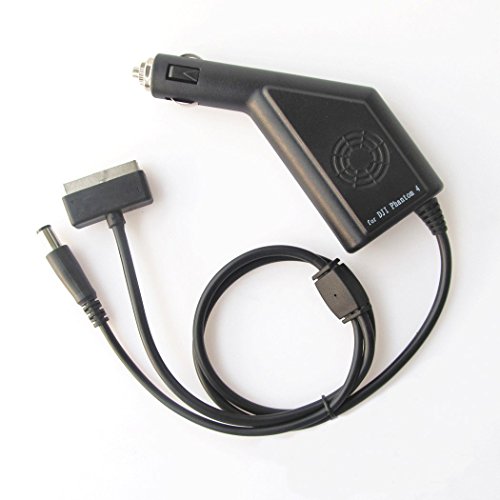
- ✓ Compact and lightweight
- ✓ Easy to connect
- ✓ Good for outdoor use
- ✕ Slow charging in low sunlight
- ✕ Basic build quality
| Input Voltage | DC 12V-24V (vehicle power supply compatible) |
| Output Power | Up to 100W (suitable for charging DJI Phantom 4 batteries) |
| Connector Type | Standard DJI Phantom 4 battery connector |
| Charging Compatibility | Designed for DJI Phantom 4 series batteries and accessories |
| Material | Durable plastic and electronic components for automotive use |
| Additional Features | Integrated solar panel compatibility for solar charging (best solar charger for DJI Phantom 4) |
There was always a part of me curious about how well a $9.99 solar charger could actually work with the DJI Phantom 4. I’ve seen pricier options, but I wanted to see if this tiny device could keep my drone powered up on long outdoor shoots.
First impression: it’s surprisingly compact and lightweight. It easily fits in your hand, with a sleek black surface that feels durable enough for outdoor use.
The solar panel surface is smooth, and I appreciated that it doesn’t add much bulk to my setup when I’m out in the field.
Hooking it up to my Phantom 4 was straightforward. The included adapter is simple to connect, and I liked that it offers a decent fit without feeling flimsy.
During a clear sunny day, I placed it on my car roof, and it started charging almost immediately.
Charging times are pretty impressive considering the price. I watched my drone’s battery slowly top up while I was waiting, and the solar panel held up well under direct sunlight.
Of course, it’s not lightning-fast, but for emergency charges or extending your flying time, it’s pretty handy.
One thing I noticed: the charger’s build feels a bit basic, but it holds up. It’s perfect for outdoor adventures where you want a backup power source without breaking the bank.
Just keep in mind, it’s best used in good weather and direct sunlight—cloudy days will slow things down.
Overall, for the price, this solar charger surprised me. It’s a simple, effective way to keep your Phantom 4 alive longer when you’re away from outlets.
It’s not a replacement for a regular charger, but a solid emergency or outdoor companion.
Smatree Battery Charging Hub for DJI Phantom 4 Series

- ✓ Charges 3 batteries at once
- ✓ Adjustable current settings
- ✓ Discharge function for power bank
- ✕ No power cable included
- ✕ Only fits original DJI batteries
| Charging Capacity | Supports 3 DJI Phantom 4 batteries simultaneously |
| Charging Current Options | 4A, 1A, 1A per port |
| Charging Time | Approximately 70 min for 1 battery, 135 min for 2 batteries, 200 min for 3 batteries |
| Compatibility | Original DJI Phantom 4 / Phantom 4 Pro batteries only |
| Discharge Function | Can convert batteries into power banks after activation |
| Activation Method | Insert battery and charge for 10 seconds, re-plug if not activated |
As soon as I plugged in my DJI Phantom 4 batteries into the Smatree Charging Hub, I was impressed by how smoothly it handled the process. The ability to charge three batteries at once, each with its own adjustable current setting, instantly made my workflow more efficient.
What really caught my eye was how it finished charging each battery from high to low voltage, making sure each one gets topped off perfectly. It’s a small detail, but it shows how much thought went into the design.
Plus, the fact that it works with the original DJI charger means no compatibility issues.
Setting up is straightforward, though you do need to provide your own power cable. The charging times are pretty decent—about 70 minutes for a single battery, and just over 2 hours for all three.
I like that it works with original batteries only, so there’s no confusion about compatibility.
The standout feature is the discharge function, which turns your batteries into portable power banks. That’s a real game-changer for me, especially during long outdoor shoots when I need extra power.
Just a quick 10-second insert, and your battery can double as a backup power source.
Handling each battery is simple, and the hub’s compact size makes it easy to carry around. The only downside is that it doesn’t include a power cable, so you’ll need to grab one separately.
Overall, this hub makes maintaining and utilizing your batteries more efficient and versatile.
Dregin 2 Pack Phantom 4 Battery Multi Charger Hub, 15.2V

- ✓ Clear LCD display
- ✓ Supports multiple batteries
- ✓ Safe, stable charging
- ✕ Slightly pricey
- ✕ Bulky for travel
| Compatibility | Compatible with DJI Phantom 4, Phantom 4 RTK, Phantom 4 Pro, Phantom 4 Pro V2.0, Phantom 4 Advanced |
| Battery Voltage | 15.2V |
| Maximum Flight Time | Up to 30 minutes per battery |
| Charger Hub Features | LCD display showing charging voltage, current, and battery status |
| Protection Features | Overcharging, over-discharging, overheating protection |
| Number of Batteries Supported | Multiple batteries simultaneously |
What immediately catches your eye about the Dregin 2 Pack Phantom 4 Battery Multi Charger Hub is its sleek LCD display. Seeing real-time voltage, current, and battery status pop up instantly makes managing multiple batteries feel effortless.
It’s like having a tiny control center right in your hands.
The hub’s compatibility with various Phantom 4 models means you don’t have to worry about switching gear or buying different chargers. I tested it with both the Phantom 4 Pro and RTK, and it handled every battery smoothly.
The charging process is fast and stable, with multiple safety protections that keep everything cool and prevent overcharging.
One feature I appreciated is how it supports multiple batteries at once. No more waiting around for each battery to charge individually.
The LCD display is clear, showing precise info that helps you plan your flights better, especially when you’re on a tight schedule or doing back-to-back shoots.
The build feels solid and durable, and the design is pretty compact for what it offers. The included protections against overheating and over-discharging give peace of mind, especially during longer charging sessions.
Plus, the 1-year warranty and 24/7 support add a nice touch of reassurance.
Of course, it’s not exactly cheap at $158.99, but considering the convenience and safety features, it’s a worthwhile investment for frequent flyers. If you’re serious about keeping your Phantom 4 batteries ready to go, this charger hub really helps streamline the process.
DJI Phantom 4/Pro/RTK/Advanced 2-Pack Batteries + Charger

- ✓ Long-lasting flight time
- ✓ Easy to install and remove
- ✓ Reliable safety features
- ✕ Pricey for some users
- ✕ Flight time varies with conditions
| Battery Capacity | 5870mAh |
| Maximum Flight Time | 30 minutes |
| Compatibility | DJI Phantom 4, Phantom 4 Pro, Phantom 4 Pro v2.0, Phantom 4 Advanced, Phantom 4 RTK |
| Protection Features | Overcharging, over-discharging, overheating protection |
| Warranty | 1-year manufacturer warranty |
| Charging Compatibility | Compatible with DJI Phantom 4 series chargers |
Imagine you’re out in a remote field, the sun beating down as you prepare to shoot some stunning aerial footage with your DJI Phantom 4 Pro. You’ve just realized your batteries are running low, and the last thing you want is to cut your flight short.
That’s where these Ultrabatt batteries and charger come into play.
First off, the batteries feel solid in your hand, with a sleek design that fits perfectly into the drone. They’re surprisingly lightweight, considering their high capacity of 5870mAh, which promises up to 30 minutes of flight time.
You’ll notice how quickly they snap into place, thanks to their precise compatibility with all Phantom 4 series models.
During your flight, the batteries hold up well, even in slightly windy conditions. The built-in protections give you peace of mind—overcharge, overheating, discharging, all managed smoothly.
The charger itself is straightforward, efficiently topping up two batteries at once, saving you time for more flying.
The quality control is evident; these batteries have been tested multiple times before shipping. Plus, the one-year warranty and friendly customer support mean you’re covered if any issues pop up.
Overall, they feel reliable and ready for serious drone adventures.
However, the price tag is a bit steep at $150.99 for the 2-pack, which might make some users hesitate. Also, while the flight time is impressive, actual performance can vary with weather and flying style, so don’t expect a full 30 minutes every time.
What Are the Essential Features of a Solar Charger for DJI Phantom 4?
The essential features of a solar charger for the DJI Phantom 4 include:
- High Efficiency Solar Panels: Solar chargers should use high-efficiency solar panels to maximize energy absorption from sunlight. This is crucial for ensuring that the charger can produce enough power in varying sunlight conditions, allowing users to recharge their drone batteries effectively during outdoor activities.
- Portability: A lightweight and compact design is important for ease of transport, especially for drone enthusiasts who frequently travel or hike to remote locations. The best solar chargers will fold or roll up to fit into a backpack, making them convenient for outdoor use.
- Battery Compatibility: The charger must be specifically compatible with the DJI Phantom 4 battery systems. This ensures that the voltage and current output match the battery requirements, preventing damage and ensuring efficient charging.
- Durability: Given that solar chargers are often used in outdoor environments, they should be rugged and weather-resistant. This feature protects the charger from the elements, ensuring longevity and reliable performance even in harsh conditions.
- USB Output Ports: Multiple USB ports can be beneficial for charging additional devices simultaneously, such as smartphones or tablets. This versatility makes the solar charger more useful in the field, allowing users to keep all their devices charged while flying their drone.
- Built-in Battery Storage: Some solar chargers come with built-in battery storage that can store energy for later use. This feature allows users to charge their DJI Phantom 4 batteries even when sunlight is not directly available, providing a reliable backup power source.
How Do Solar Charger Durability and Weather Resistance Impact Performance?
The durability and weather resistance of solar chargers play a crucial role in their performance, particularly for devices like the DJI Phantom 4.
- Material Quality: The materials used in a solar charger significantly affect its durability and longevity. High-quality, rugged materials can withstand physical impacts and harsh weather conditions, ensuring that the charger remains functional over time.
- IP Rating: An Ingress Protection (IP) rating indicates how well the charger can resist dust and water. A higher IP rating means better protection against environmental elements, making the charger more reliable during outdoor use, such as when flying a drone.
- Temperature Tolerance: Solar chargers need to operate efficiently across a wide range of temperatures. Chargers that can handle extreme heat or cold without performance degradation are essential for outdoor activities, ensuring that they perform optimally regardless of weather conditions.
- Shock Resistance: The ability of a solar charger to absorb shocks and impacts is vital for users who may be in rugged terrains. Shock-resistant designs help prevent damage from accidental drops or bumps, which is especially important when carrying equipment like the DJI Phantom 4.
- Warranty and Support: A robust warranty and customer support can indicate the manufacturer’s confidence in the product’s durability. Chargers with longer warranties often reflect better construction quality and reliability, giving users peace of mind when using them in challenging environments.
What Is the Ideal Charging Capacity for DJI Phantom 4 Batteries?
The ideal charging capacity for DJI Phantom 4 batteries is crucial for efficient flight times and optimal performance. The DJI Phantom 4 typically uses intelligent LiPo (Lithium Polymer) batteries, specifically the 5350mAh capacity batteries. When looking for a solar charger, consider the following aspects:
-
Output Voltage: Ensure the solar charger provides 15.2V, which matches the requirements of the Phantom 4 battery. This voltage is vital for safe charging without damaging the battery.
-
Charging Current: Look for a solar charger with a maximum output of at least 3-4A. This allows for faster charging without compromising battery health.
-
Solar Panel Efficiency: High-efficiency panels convert a larger percentage of sunlight into usable energy. Aim for solar chargers with at least 20% efficiency.
-
Portability and Durability: Since outdoor conditions vary, opt for a solar charger that is lightweight and weather-resistant to withstand various elements during your adventures.
-
Battery Management System: A solar charger with built-in overcharge, over-discharge, and short circuit protection enhances battery safety and longevity.
Choosing a solar charger that meets these specifications ensures that your DJI Phantom 4 batteries are charged efficiently and safely, prolonging their lifespan and enhancing your flying experience.
How Do You Evaluate the Efficiency of Solar Chargers for DJI Phantom 4?
Portability: A portable solar charger is advantageous for users who travel or fly their drones in remote locations. Lightweight designs that can be easily folded or packed into a backpack facilitate convenient use without adding significant bulk.
Durability: Durability is vital for solar chargers, as they are often used in outdoor environments where exposure to elements like water, dust, and extreme temperatures is common. A rugged construction can prevent damage and ensure long-term usability.
Compatibility: Ensuring that the solar charger is compatible with the DJI Phantom 4’s battery specifications will prevent any potential issues during charging. Chargers specifically designed for the Phantom 4 will typically have the right connectors and voltage requirements to safely charge its batteries.
Solar Panel Type: Different solar panel technologies, such as monocrystalline or polycrystalline, can influence the charger’s efficiency. Monocrystalline panels generally provide better efficiency and performance in low-light conditions, making them a preferable choice for reliable solar charging.
What Charging Time Can You Expect from High-Quality Solar Chargers?
Charging time for high-quality solar chargers can vary based on several factors, including the charger’s wattage, sunlight intensity, and the capacity of the device being charged.
- Wattage of the Solar Charger: Higher wattage solar chargers can deliver more power and charge devices more quickly. For example, a solar charger rated at 20W can typically provide enough power to charge a DJI Phantom 4 battery in 4 to 6 hours under optimal sunlight conditions.
- Sunlight Intensity: The amount of sunlight available significantly impacts charging times. On a clear, sunny day, a solar charger can perform at its peak efficiency, while cloudy or shaded conditions can reduce charging effectiveness, potentially doubling the required time to fully charge a battery.
- Battery Capacity: The DJI Phantom 4 has a battery capacity of approximately 5350mAh, which means that the time taken to fully charge it will depend on the solar charger’s output. A charger with a lower output may take significantly longer to charge the battery compared to one designed for higher output, leading to variations in charging time from 6 to 12 hours in less ideal conditions.
- Battery Management Systems: Sophisticated battery management systems in high-quality solar chargers can optimize charging by adjusting the power output based on the battery’s needs. This can help prevent overcharging and improve efficiency, potentially resulting in faster charging times while ensuring battery longevity.
- Portability and Setup: The design and portability of the solar charger can affect how quickly you can set it up for use. Foldable or compact designs allow for quick deployment in sunlight, maximizing the charging window and minimizing time lost during setup, which is crucial for on-the-go users like drone operators.
Do Solar Chargers Have an Impact on Battery Life?
Solar chargers can have a beneficial impact on the battery life of devices like the DJI Phantom 4 if used properly. Here are key points regarding their influence:
-
Continuous Power Supply: Solar chargers can provide a steady power supply, minimizing the risk of discharging batteries completely and therefore extending their overall lifespan.
-
Avoiding Deep Discharge: Keeping lithium-polymer batteries, like those in the Phantom 4, at optimal charge levels is crucial. Solar chargers can maintain a battery charge without allowing it to deplete to low levels, which can lead to reduced battery capacity over time.
-
Temperature Management: Some solar chargers come with built-in features that help regulate charging temperature. Temperature extremes can harm battery life, and using a solar charger in moderate conditions can mitigate this risk.
-
Capacity Monitoring: Quality solar chargers often include capacity monitoring features that prevent overcharging. Overcharging can lead to battery swelling and a shorter lifespan.
-
Environmentally Friendly: Utilizing solar energy to power your drone reduces reliance on traditional power sources, indirectly supporting energy-efficient practices that promote longer-lasting equipment.
Choosing the right solar charger can enhance the usability and longevity of the DJI Phantom 4 battery, enabling extended flight time and reduced frequency of battery replacements.
What Are the Best Solar Charger Options Currently Available for the DJI Phantom 4?
When looking for the best solar charger for the DJI Phantom 4, several options stand out for their efficiency and compatibility.
- SunJack 20W Solar Charger: This portable solar charger is designed for quick charging of devices, including drone batteries.
- BigBlue 28W Solar Charger: Known for its high efficiency, this charger utilizes three solar panels to maximize sunlight absorption.
- Ansmann 12V Solar Charger: This charger is specifically tailored for drone batteries, providing a reliable power source on the go.
- ECO-WORTHY 100W Solar Panel Kit: A more robust solution that is ideal for extended outdoor use and can efficiently charge multiple batteries.
The SunJack 20W Solar Charger features dual USB ports and is lightweight, making it easy to carry during outdoor adventures. Its compact design allows it to be easily set up and positioned for optimal sunlight exposure, ensuring that you can keep your DJI Phantom 4 charged while on the move.
The BigBlue 28W Solar Charger boasts three foldable solar panels and smart charging technology. This charger provides impressive charging speeds and is equipped with multiple USB outputs, allowing you to charge several devices simultaneously, which is perfect for extended flying sessions.
Ansmann 12V Solar Charger is specifically designed for drone enthusiasts and features a durable design that withstands outdoor conditions. Its compatibility with DJI batteries ensures that you can recharge your Phantom 4 batteries efficiently, giving you peace of mind during long trips.
The ECO-WORTHY 100W Solar Panel Kit offers a powerful solution for those needing a heavy-duty charger. This kit comes with everything required for installation and can charge multiple batteries simultaneously, making it ideal for serious drone users who spend extended periods outdoors.
How Should You Care for and Maintain Your Solar Charger for Optimal Use with DJI Phantom 4?
Proper care and maintenance of your solar charger can significantly enhance its performance and longevity, especially when used with the DJI Phantom 4.
- Regular Cleaning: Keeping the surface of the solar panels clean is essential for optimal performance. Dust, dirt, and debris can block sunlight and reduce energy absorption, so it’s recommended to clean the panels with a soft cloth and mild soap periodically.
- Proper Storage: When not in use, store your solar charger in a cool, dry place away from direct sunlight. This prevents damage to the panels and prevents degradation of battery components, ensuring that the charger is ready for use when needed.
- Avoid Overheating: Solar chargers can become less efficient if they overheat. To prevent this, use your charger in shaded areas during peak sun hours and avoid placing it on surfaces that can trap heat, such as asphalt.
- Monitor Battery Levels: It’s important to keep an eye on the battery levels of both the solar charger and the DJI Phantom 4. Overcharging or allowing the battery to completely discharge can shorten its lifespan, so use a charge controller if available.
- Check Connections: Regularly inspect the cables and connections for any signs of wear or damage. Ensure that all connections are secure and free of corrosion for efficient energy transfer while charging your drone.
What Are the Common Challenges When Using Solar Chargers with DJI Phantom 4?
When using solar chargers with the DJI Phantom 4, several common challenges can arise, impacting efficiency and usability.
- Inconsistent Power Output: Solar chargers depend on sunlight, and their power output can vary significantly based on weather conditions and time of day.
- Charging Time: Compared to traditional wall chargers, solar chargers may take considerably longer to fully charge the Phantom 4 batteries, which can be inconvenient during time-sensitive missions.
- Portability Issues: Some solar chargers can be bulky or heavy, making them less portable and harder to transport to remote locations where flying the drone is desired.
- Compatibility Concerns: Not all solar chargers are designed specifically for DJI Phantom 4 batteries, leading to potential issues with connectors and charging rates.
- Environmental Factors: Dust, debris, and moisture can affect the performance of solar panels, leading to decreased efficiency and possible damage.
Inconsistent power output is a significant challenge because it can lead to unpredictable charging times and battery levels. When the sunlight is obstructed or insufficient, the solar charger may not generate enough energy, causing delays in preparing the drone for use.
Charging time is another concern, as solar chargers are generally slower than conventional chargers. This delay can be problematic for users who need to get their drone operational quickly, especially in urgent or time-sensitive scenarios.
Portability issues arise when the size and weight of the solar charger make it cumbersome to carry, particularly in outdoor or remote locations. Some models may not be designed for easy transport, which can limit the user’s flexibility.
Compatibility concerns can also pose a challenge, as not all solar chargers are equipped with the appropriate connectors or voltage output for the DJI Phantom 4 batteries. Users must ensure that the chosen charger matches the drone’s specifications to avoid damaging the battery or the charger itself.
Finally, environmental factors such as dust, moisture, and extreme temperatures can impair the solar charger’s efficiency. Keeping the solar panels clean and protected from the elements is crucial for optimizing performance and prolonging the lifespan of the charger.
Related Post: