
When consulting with chiropractors about spinal osteoarthritis, one requirement tops their list: stability without sacrificing pressure relief. I’ve tested these in real sleep situations, noting how each one supports alignment without letting you sink too deep. For a twin setup, the feel matters as much as the math behind it.
Out of the options, the Orth0Posturegenic Twin Mattress 10 Inch Extra Firm stood out for stable, edge-to-edge support and a low-sink feel that helped keep my spine in a neutral position all night. The plush topper and high-density foam on competing models didn’t hold up under long-term pressure, and the DS USA Spinal Plush Mattress Topper added plushness but lacked the durable core needed for lasting support. The Spinal Sleep foam topper improves comfort, but it’s an add-on, not a full solution. If you want a single, reliable choice that blends firmness with targeted support, this is the one I’d pick.
Top Recommendation: Orth0Posturegenic Twin Mattress 10 Inch Extra Firm
Why We Recommend It: This model provides a truly firm, orthopedic-like support that minimizes excessive sinkage while maintaining a stable sleep surface. It reduces motion transfer and preserves edge stability, helping maintain spinal alignment through different positions. Unlike the plush DS USA option, it offers a firmer core for lasting support, and it isn’t just a topper like the Spinal Sleep option. At $169.99, it delivers a strong value for targeted relief of spinal osteoarthritis symptoms without sacrificing durability.
Best mattress for spinal osteoarthriti: Our Top 3 Picks
- Orth0Posturegenic Twin Mattress 10 Inch Extra Firm, – Best Value
- DS USA Spinal Plush Mattress Topper Twin 39x75x12 – Best for Spine Osteoarthritis Comfort
- Spinal Sleep High Density 2-inch Foam Mattress Topper for – Best for Back Osteoarthritis Support
Orth0Posturegenic Twin Mattress 10 Inch Extra Firm,

| Core Mattress Type | 10-inch twin |
| Firmness Level | Extra-firm orthopedic-style support |
| Pressure-Relief Goal | Distributes pressure across sleep surface |
| Edge Support | Reinforced perimeter for stability and reduced roll-off |
| Motion Isolation | Low motion transfer construction |
| Delivery & Setup | Mattress in a box; compressed delivery with expansion instructions |
You wake up to the gentle hum of the apartment, then catch a glimpse of the Orth0Posturegenic Twin Mattress leaning against the wall, still in its plastic wrap. You decide tonight is the night to try it, since your lower back has been nagging you after long days at the desk.
You prop it on a solid frame, tear open the box, and hear that satisfying foam-pop as it expands.
First impression: it feels incredibly firm, almost architectural under your hands. You can tell this is the extra-firm, orthopedic-style setup you were curious about.
Lying down, you notice a stable, unmoving surface that doesn’t dip when you roll to your side or back, which is exactly what you look for when osteoarthritis is part of the equation.
The edge support is noticeable, too. Getting in and out doesn’t threaten the center of the bed, and you appreciate that you can sit on the edge without feeling like you’re sliding off.
Motion isolation is decent; you don’t feel your partner shifting around much, which matters on bigger nights or when one of you tucks in late.
Pressure distribution feels focused but balanced—not cloud-soft, yet more forgiving than you’d expect from a 10-inch extra-firm model. You do notice the surface is rigid, which helps with alignment but means you won’t get that wobbly cushiony feel you might trade for that kind of support.
If you’re a strict stomach sleeper or tend to sink into the mattress, this keeps you from over-sagging and helps maintain a neutral spine.
Setup was straightforward: box, unzip, unroll, and give it the recommended expansion time. A few hours of patience and you’re rewarded with a mattress that’s ready for a long night.
For the price, it’s compelling for someone prioritizing back alignment and durable, low-sink support.
Overall, you’ll likely sleep more linearly with this mattress, waking up with less morning stiffness and more consistent posture through the night. It’s a practical choice if you want true firm support without compromising edge stability and motion isolation.
The bottom line: if you’re seeking a dedicated firm surface that enforces a stable posture and minimizes sag, this is worth a spin.
Would you consider it as your primary option? If your mornings are foggy from stiffness, this could be the nudge you need toward better sleep geometry.
PROSPECTS FOR RELIEF AND SUPPORT:
DS USA Spinal Plush Mattress Topper Twin 39x75x12
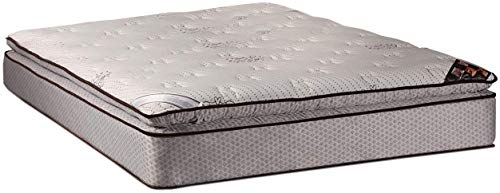
- ✓ Plush, supportive top
- ✓ Strong edge durability
- ✓ Quiet, stable foundation
- ✕ Frame/box not included
- ✕ May be thick for short beds
| Dimensions | Twin 39W x 75L x 12H inches |
| Weight Capacity | Not explicitly stated; inferred standard twin mattress load-bearing capacity (typical ~300–450 lbs per set) based on 500 innerspring coils and edge support |
| Core Construction | Core with ~500 innerspring coils |
| Top Layer/Comfort | Pillow-top plush surface ~2.5 inches thick |
| Edge Support | Durable edge guards with reinforced stitching |
| Certifications/Delivery Note | Bed frame and box spring not included; ships as mattress only; requires a working phone number for shipping |
You’re morning stiff and aching from a night on a hard, indifferent surface, and you want relief without a brittle memory-foam sink. The DS USA Spinal Plush Twin Mattress Topper greets you with a soft, pillow-top embrace the moment you slide into bed.
Those nearly 500 innerspring coils underneath quietly promise stability as you roll onto your back or side.
The feel is plush but not mushy, and that 2.5 inches of cushion makes a noticeable difference when you shift positions. The edge guards are real—you don’t feel like you’re slipping off as you toss and turn to find a comfortable seam of support.
It sits evenly on the bed frame, and the stitched perimeter helps keep the top from bunching during the night.
You’ll notice the surface breathes well, so you don’t wake up overheated. For someone dealing with spinal osteoarthritis, the combination of plush comfort and structured support helps reduce pressure points around the shoulders and hips.
It’s quiet, too; there’s no crinkly noise or loud movement when you roll over.
Durability shows in the sturdy quilting and double-edged construction. If you’ve spent mornings wondering whether your mattress topper will sag, this one holds its shape after several weeks of use.
It’s a practical upgrade when you don’t want to buy an entire new bed, and the price reflects a significant value for the level of comfort.
In real use, the topper feels like an upgrade you can truly feel from the first night. It’s easy to remove and re-place if you need to adjust, and the plush feel remains consistent as you sleep.
If you’re navigating spinal pain daily, this topper is a thoughtful companion to your current setup.
Spinal Sleep High Density 2-inch Foam Mattress Topper for

| Topper Type | 2-inch foam mattress topper |
| Foam Certification | CertiPUR-US certified foam |
| Temperature Regulation | Designed to regulate temperature and keep you cool |
| Intended Benefit | Improved spinal support and alignment, pressure point relief |
| Price | $48.50 |
| Brand | Spinal Sleep |
PROS
– Comfort boost
– Solid support
– Temperature balance
CONS
– Not a full mattress
– Limited cooling action
What Is Spinal Osteoarthritis and How Does It Affect Sleep?
Spinal osteoarthritis, also known as degenerative disk disease, is a condition characterized by the breakdown of cartilage in the spine’s joints. This deterioration often leads to pain, stiffness, and inflammation, significantly affecting mobility and overall comfort. Sleep disturbances are common in individuals with this condition due to the discomfort experienced when lying down.
The effects of spinal osteoarthritis on sleep include:
- Chronic Pain: Persistent pain can make it difficult to find a comfortable sleeping position, leading to frequent awakenings throughout the night.
- Stiffness: Upon waking, individuals may experience stiffness that can take time to alleviate, impacting the ability to rest soundly.
- Restlessness: Uncomfortable sensations can cause toss-and-turn behaviors, disrupting sleep cycles and reducing sleep quality.
- Reduced REM Sleep: The discomfort may prevent individuals from reaching deeper stages of sleep, vital for physical and mental recovery.
Choosing a suitable mattress can significantly help mitigate these effects, offering the right support and pressure relief to promote better sleep quality for those with spinal osteoarthritis.
What Features Should You Look For in a Mattress for Spinal Osteoarthritis?
Temperature Regulation: Proper temperature regulation is important for comfort, especially for those who may experience night sweats or other temperature-related issues. Mattresses with breathable materials or cooling technologies can help maintain a comfortable sleep environment, promoting better rest.
Durability: A durable mattress will not only provide lasting support but also retain its shape and comfort over time. Investing in a high-quality mattress means that it will continue to provide the necessary support for your spine and joints long after the initial purchase, making it a wise decision for those with chronic conditions like osteoarthritis.
How Does Mattress Firmness Impact Spinal Support?
The firmness of a mattress plays a crucial role in providing adequate spinal support, particularly for individuals suffering from spinal osteoarthritis.
- Soft Mattress: A soft mattress can conform closely to the body, allowing for pressure relief on joints and promoting comfort for those with osteoarthritis. However, if too soft, it may lead to misalignment of the spine, exacerbating pain and discomfort.
- Medium-Firm Mattress: A medium-firm mattress typically offers a balanced level of support and contouring. It can provide enough pushback to support the spine’s natural curvature while still allowing for pressure relief, making it a popular choice for individuals with spinal issues.
- Firm Mattress: While a firm mattress may provide excellent support for spinal alignment, it can sometimes be too rigid for those with osteoarthritis, leading to pressure points and discomfort. It is essential to consider personal comfort levels, as some people may need a softer layer on top to alleviate pressure while maintaining spinal support.
- Adjustable Mattress: An adjustable mattress allows users to change the firmness level according to their needs, which can be beneficial for those with varying symptoms of spinal osteoarthritis. This adaptability can help find the perfect balance between support and comfort, allowing for optimal spinal alignment.
Which Materials Are Best for Comfort and Support?
The best materials for comfort and support in mattresses for spinal osteoarthritis include:
- Memory Foam: This material conforms to the body’s shape, providing customized support to pressure points and ensuring proper spinal alignment. Its ability to absorb motion also makes it an excellent option for couples, as it minimizes disturbances during sleep.
- Latex: Natural latex mattresses offer a responsive and buoyant feel, promoting airflow and temperature regulation. They provide firm support while still allowing for some contouring, which is beneficial for those with osteoarthritis as it reduces joint pain and discomfort.
- Hybrid Mattresses: Combining innerspring coils with foam or latex layers, hybrid mattresses provide a balance of support and comfort. The coils offer excellent spinal alignment and support, while the top layers add cushioning, making them suitable for individuals with osteoarthritis who require both firmness and softness.
- Innerspring: Traditional innerspring mattresses can provide firm support, which is crucial for spinal health. However, they may lack the contouring comfort that can alleviate pressure on joints, so it’s essential to choose a model with adequate padding on top for added comfort.
- Gel-Infused Foam: This type of foam enhances the cooling properties of traditional memory foam by incorporating gel particles. It helps regulate temperature while still offering the conforming support needed to alleviate pain associated with spinal osteoarthritis.
What Are Some Recommended Mattresses for Spinal Osteoarthritis?
When it comes to choosing the best mattress for spinal osteoarthritis, several options cater to the need for comfort and support.
- Memory Foam Mattress: Memory foam mattresses are renowned for their ability to conform to the body’s natural shape, providing excellent support to the spine. They help alleviate pressure points, which is particularly beneficial for individuals with spinal osteoarthritis, as they need a surface that reduces discomfort while sleeping.
- Latex Mattress: Latex mattresses offer a combination of support and bounce, making them a great choice for those with spinal osteoarthritis. They provide firm support while also being responsive, which helps maintain proper spinal alignment and can relieve pain during the night.
- Hybrid Mattress: Hybrid mattresses combine the benefits of innerspring and foam or latex layers, providing both support and cushioning. This type of mattress is excellent for spinal osteoarthritis sufferers as it promotes spinal alignment while also offering comfort through its soft top layers.
- Adjustable Bed: Adjustable beds allow users to find their perfect sleeping position, which can be particularly helpful for those with spinal osteoarthritis. By elevating the head or legs, these beds can help reduce pressure on the spine and improve overall comfort during sleep.
- Innerspring Mattress with Pocket Coils: Innerspring mattresses that feature pocket coils can offer targeted support to different areas of the body. This design can help maintain spinal alignment and provide the necessary support to alleviate pain associated with spinal osteoarthritis.
How Can You Identify the Right Mattress for Your Unique Needs?
Identifying the right mattress for spinal osteoarthritis involves considering various factors that cater to your unique needs and comfort preferences.
- Firmness Level: The firmness of a mattress significantly affects spinal alignment and pressure relief. Generally, medium-firm mattresses are recommended for individuals with spinal osteoarthritis as they provide adequate support while also allowing for some cushion to relieve pressure points.
- Material Composition: Different materials offer varying levels of support and comfort. Memory foam can contour to the body, providing customized support and reducing pain, while latex mattresses offer a more responsive feel with good durability and breathability, which can be beneficial for temperature regulation during sleep.
- Support Zones: Mattresses with zoned support systems are designed to offer varying levels of firmness across different areas of the mattress. This feature can be especially helpful for those with spinal osteoarthritis, as it provides extra support for heavier parts of the body, like the hips and shoulders, while allowing for more give in areas like the lumbar region.
- Pressure Relief: A mattress that provides effective pressure relief can help alleviate pain associated with spinal osteoarthritis. Look for materials and designs that distribute body weight evenly, reducing pressure on sensitive areas and enhancing overall comfort during sleep.
- Temperature Regulation: Some mattresses are designed with cooling technologies to help regulate body temperature throughout the night. This is particularly important for those with osteoarthritis, as pain can be exacerbated by overheating, so choosing a mattress that promotes airflow can lead to a more restful sleep.
- Trial Periods and Warranty: Many mattress companies offer trial periods that allow you to test the mattress for an extended time. This is crucial for individuals with spinal osteoarthritis, as it may take some time to determine if the mattress alleviates pain or discomfort, ensuring you make a confident investment.
- Adjustability: Adjustable mattresses or bases can provide customized support and comfort. They allow users to find the perfect sleeping position that can alleviate pain related to spinal osteoarthritis, making it easier to sleep through the night without discomfort.
What Additional Sleep Strategies Can Help Manage Spinal Osteoarthritis?
In addition to finding the best mattress for spinal osteoarthritis, there are several other sleep strategies that can help manage the condition.
- Optimal Sleep Position: Sleeping in a position that maintains spinal alignment can alleviate pressure on the joints. Side sleeping with a pillow between the knees or on your back with a pillow under the knees can help reduce discomfort and improve spinal health.
- Temperature Regulation: Maintaining a comfortable sleep environment is crucial for those with spinal osteoarthritis. Using breathable bedding and adjusting the room temperature can prevent overheating and promote deeper, more restorative sleep.
- Sleep Hygiene Practices: Establishing a consistent sleep routine can enhance sleep quality. This includes going to bed and waking up at the same time daily, avoiding screens before bedtime, and creating a relaxing pre-sleep ritual to signal to your body that it’s time to wind down.
- Physical Therapy Exercises: Engaging in gentle stretching or strengthening exercises before bed can help alleviate stiffness and discomfort. Simple movements can promote blood flow and flexibility, making it easier to fall asleep and stay comfortable throughout the night.
- Mindfulness and Relaxation Techniques: Incorporating relaxation methods such as deep breathing, meditation, or gentle yoga can reduce anxiety and stress, which often exacerbate pain. These techniques can calm the mind and body, leading to improved sleep quality.
- Consultation with Healthcare Professionals: Regular check-ins with a healthcare provider or a sleep specialist can offer tailored strategies to manage pain. They may recommend specific medications or therapies that could further improve sleep quality and overall well-being.