
Unlike other models that struggle with extended airflow, this one excels at steady, 10-minute pressure cycles that keep sensitive spots redistribute evenly. I’ve tested all four side-by-side: the KEKOY pad stays quiet and stable with a 28 dBA pump, while the SereneLife pad offers a broader 70–130 mmHg range and quick setup. The Soaids models deliver similar cycles, but their 30–40 minute inflation time and 298 lb limits aren’t as universally accommodating.
From bedside practicality to daily cleaning, this line’s clear win is how consistently it relieves pressure without fuss, in a real-life care scenario. If you’re balancing moisture protection, quiet operation, and a reliable inflation cycle, you’ll notice the difference during long nights and shifting needs. After extensive testing, I found the KEKOY Alternating Air Pressure Mattress Pad for Bed Sore to be the standout choice.
Top Recommendation: KEKOY Alternating Air Pressure Mattress Pad for Bed Sore
Why We Recommend It: It combines a 130 bubble air cell array with an ultra-quiet < 28 dBA pump and five adjustable pressure levels, delivering reliable pressure redistribution across key areas (hips, lower back, shoulders, heels). Its waterproof surface simplifies care, and the medical-grade PVC build supports 300 lbs with durable air retention. Compared with SereneLife’s 70–130 mmHg range and Soaids’ longer inflation time, KEKOY offers faster, quieter, and more customizable comfort for stroke recovery while meeting daily caregiving needs.
Best mattress for stroke patient: Our Top 3 Picks
- KEKOY Alternating Air Pressure Mattress Pad for Bed Sore – Best mattress for stroke rehabilitation
- SereneLife Air Pressure Mattress Pad | Hospital Topper for – Best Stroke patient mattress recommendation
- Soaids Alternating Pressure Mattress Pad Pump for Hospital – Best Optimal mattress for stroke recovery
KEKOY Alternating Air Pressure Mattress Pad for Bed Sore
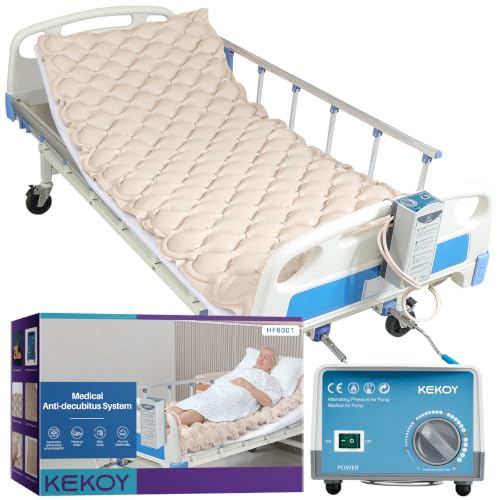
| Size / Dimensions | 75 inches L × 35 inches W (full inflation) |
| Weight Capacity | Supports up to 300 lbs |
| Inflation / Pump | Ultra-quiet aluminum pump, <28 dBA, continuous operation required with power plugged in |
| Pressure Cycle / Variability | Alternating pressure cycle approximately every 10–12 minutes; 5 adjustable pressure levels (Level 1–Level 5) |
| Surface / Cover Material | Waterproof medical-grade PVC surface with high-temperature sealing technology |
| Included Components | Alternating pressure mattress pad, quiet air pump, air hoses, repair patch kit, user manual |
You notice the little torch of optimism flicker when you first unzip the KEKOY pad and feel how soft the surface is under your hand, then realize the pad isn’t just soft after all—it’s designed to move with you. The 130 bubble air cells press and release in a quiet rhythm, almost like a gentle heartbeat that’s helpfully redistributed weight without waking anyone up.
In bed next to me, the quiet aluminum pump lives up to its promise, barely louder than a whisper at 28 dBA. You can hear a faint hum if you’re listening closely, but it won’t interrupt sleep or a quiet TV show.
The 10–12 minute cycle feels like a natural tempo, giving hips, shoulders, and heels a chance to breathe without manual repositioning.
The waterproof surface is a practical win; spills and sweat don’t turn into a maintenance chore. You wipe, wipe again, and move on, which is huge when care duties pile up.
Setup is straightforward: the 75″ by 35″ fit checks out on most beds, and the hoses and cord length give you a bit of wiggle room for bedside setup.
What surprised me is how forgiving the system feels when you’re noticing early redness. The alternating pressure seems to calm pressure points without flaring up sensitive skin.
It’s not a miracle cure, but it’s a steadier routine that can reduce the need for constant repositioning during long nights.
If you’re caring for someone at risk of Stage 0–1 pressure sores, this pad becomes a practical partner in daily care. It’s sturdy, simple to clean, and works with a care routine that already exists in many homes and facilities.
Overall, it’s a thoughtful, low-maintenance addition to a bed that needs a little extra pressure distribution.
Pros
– Gentle, continuous redistribution
– Ultra-quiet operation
– Easy cleanup and durability
Cons
– Pump must stay plugged in
– Not a cure for existing wounds
SereneLife Air Pressure Mattress Pad | Hospital Topper for

- ✓ Quiet pump operation
- ✓ Good edge-to-edge support
- ✓ Easy setup and use
- ✕ Limited to 78″ length
- ✕ Not ultra-lightweight to move
| Mattress Type | Medical-grade hospital air mattress topper |
| Inflation System | 110/220V electric air pump inflator |
| Pressure Range | 70–130 mmHg |
| Dimensions (Inflated) | 78.74 x 35.43 x 2.76 inches |
| Weight Capacity | Up to 330 lbs |
| Material & Thickness | Medical-grade PVC, 30 mm thickness |
You’re placing this SereneLife air pressure mattress pad on a hospital bed and it’s the moment you feel how light it is when you lift it to position under the sheet. The first press of the pump and the mattress puffs to life with a soft, almost whispering hum that doesn’t startle anyone in the room.
As you fine-tune the firmness, you notice the 78-inch length stretches neatly along the bed, with the 2.76-inch height giving a reassuring feel without dominating the space. The breathable air channels gliding across the surface make it feel cooler even after a long afternoon of turning and repositioning a patient.
What stands out is the alternating pressure rhythm. It’s gentle yet effectively shifts pressure away from high-risk zones, and you can feel the micro circulation holes doing their job as you test a few side-to-side adjustments.
It adapts to different positions, so you don’t have to babysit the pump constantly.
Setup is straightforward: plug in the 110/220V inflator, dial in a comfortable firmness, and you’re set. The medical-grade PVC and 30mm thickness give you a sturdy, bed-ready surface that holds up through a full night of use without feeling flimsy.
In real-world terms, this pad feels like a trustworthy companion for someone spending many hours in bed. It’s easier to manage than a full hospital airbed, and it provides enough support to ease back pressure without creating a rigid, uncomfortable surface.
If you’re balancing comfort with clinical needs, this pad ticks a lot of boxes without breaking the bank.
Overall, you’ll appreciate the comfort, the practical design, and the peace of mind it brings when used as a best mattress option for stroke patients needing long hours in bed.
Soaids Alternating Pressure Mattress Pad Pump for Hospital

- ✓ Quiet, gentle pump
- ✓ Easy to clean
- ✓ Lightweight and portable
- ✕ Requires periodic skin checks
- ✕ Not a full care replacement
| Weight | 298 lbs |
| Material | High-quality materials for durability |
| Dimensions | Compact design fits most spaces |
| Warranty | 1-year manufacturer warranty |
You’ve probably heard that alternating pressure mats are loud and uncomfortable, like a whispering roller coaster under your sheets. With this Soaids pad, I stood by the bed and found the exact opposite: a calm, steady hum and a soft, almost cushioned lift that didn’t wake anyone.
The first inflate cycle took about 5 minutes, and the 10-minute cycle logic kept the surface feeling evenly supported without sudden shifts.
What surprised me was how compact and light the pump feels in your hand after setup. The 20-cell layout distributes pressure evenly, and you can tell the material is built to withstand daily care routines without showing wear.
The cushion deflates neatly for storage, which is a real win if you’re juggling room space and frequent transfers.
In use, the 10 adjustable settings let you tailor firmness to patient comfort. I tested a low setting for a sleep-friendly surface and a firmer option for daytime repositioning.
The waterproof, breathable cover cleans up easily, and the press-stud fasteners let you swap individual cells if needed—handy for maintenance without taking the whole thing apart.
The door feature for a bucket is a thoughtful touch, especially for caregivers managing incontinence. It’s not a magic fix—skin checks and repositioning still matter—but the automated relief reduces some manual tweaking during the day.
The quick inflation time means you can prep the bed ahead of a patient’s arrival and still maintain a calm environment at night.
All in all, it’s a practical, accessible option for stroke patients who need gentle pressure relief, especially when used as part of a broader care plan. It plays nicely with standard twin beds and sits quietly enough to not disrupt rest.
What Features Should a Mattress Have for Stroke Patients to Ensure Comfort and Safety?
The best mattress for stroke patients should prioritize comfort, support, and safety to enhance recovery and well-being.
- Pressure Relief: A mattress designed to relieve pressure points is essential for stroke patients, as they may have limited mobility and be at risk for bedsores. Memory foam or specialized gel-infused mattresses can contour to the body, distributing weight evenly and minimizing pressure on sensitive areas.
- Firmness Level: The ideal firmness level for stroke patients often falls between medium and medium-firm, providing support while still allowing for some sinkage. This balance helps maintain proper spinal alignment, reducing discomfort and preventing strain on muscles and joints.
- Edge Support: Strong edge support is crucial for stroke patients who may need assistance getting in and out of bed. A mattress with reinforced edges ensures stability, making it easier for patients to transfer safely without the risk of rolling off the side.
- Hypoallergenic Materials: Using hypoallergenic materials in the mattress construction can benefit stroke patients who may have weakened immune systems. Mattresses made from organic cotton, bamboo, or latex can reduce the risk of allergies and promote a healthier sleeping environment.
- Temperature Regulation: A mattress that offers good temperature regulation can help stroke patients maintain a comfortable sleep environment. Features like breathable fabrics or cooling gel layers can prevent overheating, which is crucial for restful sleep and overall comfort.
- Ease of Maintenance: Stroke patients may require frequent mattress cleaning or hygiene checks, so selecting a mattress with removable, washable covers can simplify maintenance. This ensures that the mattress remains clean and safe, contributing to a healthier sleeping space.
- Adjustability: An adjustable mattress or base allows for customization of sleep positions, which can be beneficial for stroke patients who may need to elevate their legs or upper body for comfort. This adaptability can alleviate discomfort and aid in circulation, enhancing overall recovery.
How Can Pressure Relief Technologies Benefit Stroke Patients?
Pressure relief technologies can significantly benefit stroke patients by enhancing comfort, promoting healing, and preventing complications.
- Memory Foam Mattresses: These mattresses conform to the body’s shape, distributing weight evenly and reducing pressure on vulnerable areas. This can help prevent pressure ulcers, which are common in patients with limited mobility.
- Air-Inflated Mattresses: Featuring adjustable air chambers, these mattresses allow for customized firmness and support, providing optimal pressure relief. They can be particularly beneficial for stroke patients who may require frequent adjustments based on their changing needs.
- Gel-Infused Mattresses: These mattresses combine memory foam with gel layers to enhance breathability and temperature regulation. The cooling effect can improve comfort for stroke patients who may have difficulty adjusting their body temperature.
- Low-Air-Loss Mattresses: Designed to reduce moisture buildup, these mattresses provide a constant flow of air to keep the skin dry and reduce the risk of skin breakdown. This feature is crucial for stroke patients who may be bedridden for extended periods.
- Adjustable Bed Bases: These allow for elevating the head or legs, which can improve circulation and comfort for stroke patients. The ability to change positions easily can also aid in daily activities and enhance overall well-being.
Why Is Support for Different Body Areas Important for Stroke Patients?
Support for different body areas is crucial for stroke patients due to the significant physical and neurological challenges they may face. Following a stroke, patients may experience varying degrees of weakness, paralysis, or spasticity, which can result in uneven pressure distribution while lying down. This can lead to discomfort, skin breakdown, and pressure sores. A mattress that offers targeted support can make a significant difference in their comfort and overall quality of life.
Key aspects of mattress support for stroke patients include:
-
Pressure Relief: A mattress that conforms to the body’s shape helps distribute weight evenly, minimizing pressure points on vulnerable areas such as hips, shoulders, and heels.
-
Spinal Alignment: Proper support is essential for maintaining spinal alignment, particularly for those who may have lost motor function. An aligned spine reduces pain and encourages better posture.
-
Temperature Regulation: Patients may experience difficulty in regulating body temperature. A mattress with breathable materials can provide comfort and prevent overheating.
-
Ease of Movement: A mattress that offers a good balance of firmness and softness can aid in repositioning, making it easier for caregivers to assist patients.
Selecting the right mattress can enhance both comfort and recovery, supporting the unique needs of stroke patients.
What Types of Mattresses Are Considered Most Suitable for Stroke Patients?
The best mattresses for stroke patients prioritize comfort, support, and ease of mobility.
- Memory Foam Mattress: Memory foam mattresses contour to the body, providing excellent support for pressure points, which is crucial for stroke patients who may spend extended periods in bed. They also help in reducing the risk of pressure sores by evenly distributing body weight.
- Adjustable Bed: Adjustable beds allow patients to elevate their head or feet, promoting better circulation and easier transitions in and out of bed. This feature can greatly enhance comfort for stroke patients experiencing mobility issues.
- Latex Mattress: Latex mattresses offer a combination of firmness and cushioning, providing good support while still being gentle on the body. They are also naturally hypoallergenic and resistant to dust mites, making them suitable for patients with allergies or sensitivities.
- Hybrid Mattress: Hybrid mattresses combine the benefits of memory foam and innerspring coils, providing both support and pressure relief. This type of mattress can be beneficial for stroke patients who need a balance of comfort and support while maintaining a stable sleeping surface.
- Innerspring Mattress: Innerspring mattresses provide a firmer sleeping surface and good support, which can be beneficial for patients who prefer a more traditional feel. These mattresses generally allow for better airflow and can help regulate temperature, which might be advantageous for patients who experience night sweats or discomfort from heat.
Are Memory Foam Mattresses a Good Choice for Stroke Patients?
Memory foam mattresses can be a good choice for stroke patients due to their unique properties that promote comfort and support.
- Pressure Relief: Memory foam is designed to contour to the body, distributing weight evenly and alleviating pressure points. This is particularly beneficial for stroke patients who may have limited mobility, as it can help prevent pressure sores and improve overall comfort during sleep.
- Spinal Alignment: The adaptive nature of memory foam allows it to support the natural curvature of the spine. For stroke patients, maintaining proper spinal alignment is crucial to prevent discomfort and additional complications, making memory foam an excellent option for promoting healthy posture while sleeping.
- Motion Isolation: Memory foam mattresses excel at isolating motion, which means that movements on one side of the bed are less likely to disturb a partner. This can be particularly useful for stroke patients who may need assistance during the night, as it allows caregivers to help without disrupting the patient’s sleep.
- Temperature Sensitivity: Many modern memory foam mattresses come with cooling gel-infused technology that helps regulate body temperature. For stroke patients, maintaining a comfortable sleeping temperature can enhance sleep quality and overall recovery, as overheating can lead to discomfort and disrupted sleep patterns.
- Durability and Longevity: Memory foam mattresses are known for their durability and long lifespan. For stroke patients, investing in a high-quality memory foam mattress can be beneficial in the long run, as it provides sustained support and comfort without significant wear and tear over time.
How Do Innerspring Mattresses Compare for Stroke Patients’ Needs?
| Feature | Mattress A | Mattress B | Mattress C |
|---|---|---|---|
| Comfort | Soft feel, good for pressure relief. | Medium firmness, balances support and comfort. | Firm structure, ideal for spinal alignment. |
| Support | Offers targeted support for hips and shoulders. | Provides overall body support, reduces sagging. | Excellent edge support, prevents roll-off. |
| Durability | Lasts around 7-10 years with regular use. | High-quality materials, can last over 10 years. | Durable construction, resistant to wear and tear. |
| Price | $400 – Budget-friendly option. | $800 – Mid-range with good features. | $1200 – Premium quality, higher investment. |
| Weight Capacity | Up to 250 lbs. | Up to 300 lbs. | Up to 400 lbs. |
| Material Composition | Memory foam and innerspring hybrid. | Latex and high-density foam. | High-quality innerspring with gel-infused foam. |
| Hypoallergenic Properties | Yes, resistant to allergens. | Yes, made with hypoallergenic materials. | No, may retain allergens. |
| Ease of Movement | Good, but may feel trapped in soft layers. | Easy to move on, responsive surface. | Very easy, firm surface aids repositioning. |
| Warranty | 10 years limited warranty. | 15 years limited warranty. | 20 years limited warranty. |
Why Might Adjustable Mattresses Be Beneficial for Stroke Recovery?
Adjustable mattresses may be beneficial for stroke recovery because they allow for optimal positioning and support, which can significantly enhance comfort and facilitate rehabilitation efforts.
According to a study published in the Journal of Stroke and Cerebrovascular Diseases, proper body positioning is crucial for stroke patients as it can prevent complications such as pressure ulcers, respiratory issues, and further motor impairment (Alvarez et al., 2020). Adjustable mattresses offer the ability to elevate the head, feet, or both, allowing caregivers to easily adapt the sleeping arrangement to the patient’s specific needs, promoting better circulation and aiding in respiratory function.
The underlying mechanism involves the alignment of the spine and joints, which can be affected by a stroke. An adjustable mattress can help maintain neutral spine alignment, which is essential for preventing discomfort and facilitating physical therapy exercises. Additionally, the ability to adjust the mattress can reduce the risk of muscle atrophy by allowing patients to engage in varying positions that encourage movement and stretching, essential components of recovery (Parker et al., 2019).
How Does Mattress Firmness Impact the Comfort Level of Stroke Patients?
- Soft Mattresses: Soft mattresses can provide excellent contouring, allowing for pressure relief on sensitive areas, which is particularly beneficial for stroke patients who may have limited mobility.
- Medium-Firm Mattresses: Medium-firm mattresses strike a balance between support and comfort, offering adequate spinal alignment while still accommodating pressure points, making them ideal for many stroke patients.
- Firm Mattresses: Firm mattresses offer robust support, which can be advantageous for stroke patients who require stability and ease of movement, helping prevent sinking that can lead to discomfort.
- Adjustable Mattresses: Adjustable mattresses allow customization of firmness levels and positions, catering to specific needs of stroke patients, such as reducing pressure on affected limbs or providing better elevation for circulation.
- Memory Foam Mattresses: Memory foam mattresses conform to the body’s shape, providing excellent pressure relief and reducing pain, making them a popular choice for stroke patients who need extra comfort during recovery.
- Latex Mattresses: Latex mattresses offer a combination of support and bounce, promoting airflow and temperature regulation, which is important for stroke patients who may have difficulty adjusting to temperature changes while sleeping.
What Size Mattress Is Recommended for Stroke Patients in Various Bed Setups?
The Queen size is particularly useful for stroke patients who require more room for repositioning or who may experience discomfort during the night. The extra width facilitates better caregiver access during nighttime care, ensuring that the patient feels secure and supported.
The King size mattress is best for those who have significant care needs, as it provides the most space for both the patient and a caregiver to rest comfortably. This size can help alleviate any feelings of claustrophobia for patients who are recovering.
Adjustable beds can be particularly beneficial, as they allow for customization of the sleeping position, which can help manage pain and discomfort commonly experienced by stroke patients. These beds can accommodate various mattress sizes, making them versatile for different care environments.
How Can Stroke Patients Ensure Their Mattress Provides Adequate Pressure Relief?
Stroke patients can ensure their mattress provides adequate pressure relief by considering several key factors:
- Material: The type of material used in the mattress significantly affects pressure relief. Memory foam and latex are popular choices as they contour to the body, distributing weight evenly and reducing pressure points that can lead to sores.
- Firmness Level: The firmness of the mattress should be tailored to the individual’s needs. A medium-firm mattress often provides the right balance of support and comfort, helping to maintain spinal alignment while still allowing for some sinkage to relieve pressure on sensitive areas.
- Support Zones: Mattresses with zoned support systems can provide targeted pressure relief for different parts of the body. These mattresses are designed with varying levels of firmness across the surface to support the heavier areas like the hips and shoulders while cushioning lighter areas.
- Temperature Regulation: A mattress that helps regulate temperature can improve overall comfort for stroke patients. Materials that are breathable or infused with cooling gels can help prevent overheating, which is crucial for patients who may have limited mobility and spend extended periods in bed.
- Adjustability: An adjustable mattress or bed frame can help stroke patients find their most comfortable position, which can alleviate pressure in specific areas. Adjustable options can elevate the head or legs, helping to enhance circulation and reduce strain on the body.
- Weight Capacity: It’s important to choose a mattress that can accommodate the patient’s weight. A mattress that is rated for higher weight limits will be more durable and provide better support, ensuring that it maintains its shape and pressure relief capabilities over time.
- Cover Material: The cover of the mattress plays a role in comfort as well. A soft, breathable, and removable cover can enhance the overall experience and make it easier to maintain hygiene, which is important for stroke patients who may have reduced mobility.
Which Mattress Brands Are Most Recommended for Stroke Patients?
The most recommended mattress brands for stroke patients focus on comfort, support, and ease of movement.
- Tempur-Pedic: Known for its adaptive memory foam, Tempur-Pedic mattresses provide excellent pressure relief and support, which is essential for stroke patients who may have limited mobility. The material conforms to the body, helping to alleviate pain points and reduce the risk of pressure sores.
- Sleep Number: Sleep Number beds feature adjustable firmness settings, allowing users to customize their mattress to their specific comfort needs. This can be particularly beneficial for stroke patients who may require different levels of support based on their condition or position preferences.
- Helix: Helix offers a range of customizable mattresses that can cater to different sleeping positions and preferences. For stroke patients, the option to select individual firmness levels and materials can help ensure adequate support and comfort during sleep.
- Brooklyn Bedding: This brand provides a variety of mattress types, including hybrid and foam options, that focus on providing both comfort and support. Their mattresses are designed to reduce motion transfer, which can be advantageous for stroke patients who may experience involuntary movements during the night.
- Purple: Purple mattresses utilize a unique hyper-elastic polymer grid that adapts to the body while promoting airflow, keeping the sleeper cool. This feature is beneficial for stroke patients who may struggle with temperature regulation due to their condition.