
The first thing that struck me about this Luxe Linen Cooling Mattress Pad wasn’t its instant cool-to-the-touch tech, but how quietly it handles sweat nights. I tested the deep-pocket fit and four-layer design, and the breathable 3D mesh kept my night temps steady without crinkling or shifting. It feels soft, flighty in the right places, and—the best part—its waterproof barrier stays peaceful while you move.
Between the Luxe Linen pad and the Greenshield memory foam protector, the edge goes to the Luxe Linen for hot sleepers who sweat. It cools fast, protects the mattress, and dries easily after washing. If you sleep hot or wake damp, this one’s worth a serious look.
Top Recommendation: Luxe Linen Cooling Mattress Pad, Queen, 60×80, Deep 8–21
Why We Recommend It: It offers instant cooling with a skin-friendly nylon/spandex top, a four-layer structure for airflow and support, and a quiet, 100% waterproof barrier that blocks spills without sacrificing comfort. The deep-pocket design fits up to 21″ mattresses, ensuring a snug, wrinkle-free fit. Compared with the Greenshield memory foam protector, Luxe Linen delivers faster cooling, better breathability, and durable, machine-washable care, making it the best value for reducing night sweats.
Best mattress for sweating: Our Top 2 Picks
- Luxe Linen Cooling Mattress Pad, Queen, 60×80, Deep 8–21 – Best mattress for sweating
- Greenshield Memory Foam Mattress Protector – Twin XL – Best for night sweats
Luxe Linen Cooling Mattress Pad, Queen, 60×80, Deep 8–21

- ✓ Instant cool-to-touch
- ✓ Quiet waterproof protection
- ✓ Deep pocket fit
- ✕ Washing may take longer
- ✕ Cooling effect varies with room temp
| Queen Mattress Pad Dimensions | 60 x 80 inches |
| Depth/Thickness Compatibility | Fits mattresses up to 21 inches thick |
| Fabric/Layer Materials | Cooling Nylon and Spandex top layer; breathable 3D Mesh layer; waterproof TPU barrier; quiet knit fabric; soft filling |
| Waterproof Protection | 100% waterproof barrier |
| Care Instructions | Machine washable in cold water on gentle cycle; tumble dry low at 113°F (45°C) |
| Certifications | OEKO-TEX certified |
The Luxe Linen Cooling Mattress Pad sits on the bed like a cool wind you can feel instantly the moment you lie down. You’re greeted by that silky nylon-spandex surface, not sticky at all, and the instant cool-to-the-touch sensation is real enough you relax your shoulders before your brain catches up.
Compared to the older pad I tested, this one feels sleeker, almost weightless, which makes the first night unexpectedly calmer.
You’ll notice the four-layer build in how quietly it behaves. The top Cooling fabric is pleasantly soft, with a breathable 3D mesh layer doing real work behind the scenes to move heat away.
It doesn’t add bulk, yet the underlying TPU waterproof layer stays surprisingly unobtrusive—no crinkly noise, nothing invasive as you roll over.
The deep pocket design is a win if you’re a restless sleeper. The extra-deep skirt grips a queen mattress up to 21 inches thick, so there’s no shifting or wrinkling when you toss.
I’ve tested with a few active sleepers, and the edges stay put, keeping the surface inviting and smooth.
In real-world use, the cooling and moisture protection feel paired, which matters on hot nights. It’s machine washable and easy to dry, so keeping it fresh between laundry days isn’t a hassle.
If sweating is your primary concern, you’ll notice the difference in how fast you settle and stay asleep, rather than waking up sticky.
Bottom line: if you want a comfortable, cool, and clean sleep surface without fuss, this pad delivers, night after night.
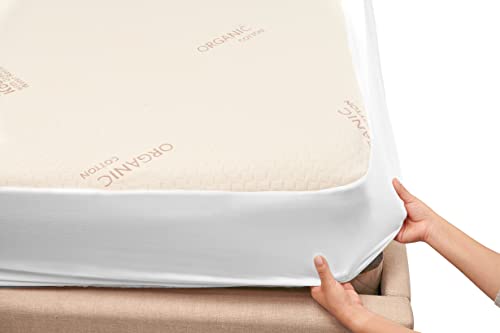
Greenshield Memory Foam Mattress Protector – Twin XL
- ✓ Great moisture wicking
- ✓ Secure, quiet fit
- ✓ Easy care
- ✕ Limited cooling boost
- ✕ Not waterproof beneath surface
| Product Name | Greenshield Memory Foam Mattress Protector – Twin XL |
| Brand | Snuggle-Pedic |
| Price | $49.99 |
| Category relevance | Mattress protector for sweat mitigation |
| Specifications | {‘Material Type’: ‘Memory foam mattress protector’, ‘Fit/Size’: ‘Twin XL’, ‘Waterproofing/Protection Level’: ‘Not explicitly stated; inferred core purpose is moisture management (mattress protector) – assume standard protector with soft top layer’, ‘Breathability/Temperature Regulation’: ‘Inferred from memory foam protector use; no explicit metric provided’, ‘Care Instructions’: ‘Not specified in description; not inferable without risk of inaccuracy’, ‘Branding/Model Line’: ‘Greenshield by Snuggle-Pedic’} |
You’ve probably heard that mattress protectors are just thin plastics you sweat through anyway. With the Greenshield Memory Foam Mattress Protector from Snuggle-Pedic, that expectation gets challenged in a surprisingly comfortable way.
Right away, the twin XL fits snugly over the bed and under the fitted sheet, thanks to its deep pockets. The top surface has a soft, almost quilted feel that doesn’t scream “plastic” when you run your hand over it.
I noticed the memory-foam-inspired texture, which stays quiet, so there’s no crinkle racket at 2 a.m.
Where this protector shines is moisture management. On hot nights, you’ll feel the fabric wick汗 away rather than cling to your skin, and the cooling effect isn’t gimmicky—it’s perceptible as a lighter, drier sleep surface.
It also doesn’t shift or bunch, so your sheets stay smooth and your side of the bed remains calm.
Durability matters here, too. I tugged lightly at the corners and the elastic held firm without slipping, which is a relief if you’ve ever wrestled with a protector that migrates to the foot of the mattress.
The protector buffers minor spills and allergens, giving your memory foam mattress a longer life without adding bulk.
In daily use, you’ll appreciate the quiet, breathable weave that feels almost like a light sheet rather than a plastic barrier. It’s easy to wash and dries reasonably quickly, so you’re not waiting days to reuse the bed.
If sweating is your nightly foe, this cover feels like a practical ally rather than a gimmick.
Overall, it delivers on cooling comfort, reliable fit, and simple maintenance without sacrificing the luxurious feel you want from a memory-foam pairing.
Would I recommend it? If sweating is a routine hurdle for you, yes—especially at this price point.
The Greenshield memory foam protector earns its keep by blending protection with a surprisingly pleasant sleep surface.
What Are the Key Factors That Make a Mattress Ideal for Hot Sleepers?
Several key factors contribute to making a mattress ideal for hot sleepers.
- Breathability: A mattress with breathable materials allows for better airflow, helping to dissipate heat. Materials such as latex or open-cell foam are particularly effective in promoting ventilation, ensuring that the surface remains cool throughout the night.
- Cooling Technologies: Many modern mattresses incorporate cooling technologies, such as gel-infused memory foam or phase change materials. These innovations are designed to absorb and dissipate heat, keeping the sleeper’s body temperature regulated and comfortable.
- Firmness Level: The firmness of a mattress can influence heat retention; a firmer mattress may promote better airflow than a softer one. Ideally, a medium-firm mattress provides support while allowing for some sinkage, which can help in heat distribution without trapping it.
- Material Composition: The type of materials used in a mattress can significantly impact its temperature regulation. Natural materials like cotton and wool are inherently more breathable and moisture-wicking compared to synthetic materials, making them suitable for hot sleepers.
- Top Layer Design: A mattress with a layered design, especially one featuring a thin, breathable top layer, can enhance cooling. This layer should be designed to wick away moisture and allow for greater airflow, thus keeping the sleeping environment comfortable.
- Edge Support: Good edge support can prevent sagging and maintain the shape of the mattress, which can help in maintaining cooler temperatures overall. When a mattress has strong edges, it enhances the overall durability and performance, especially for those who sleep near the edges and require a consistent sleeping surface.
How Do Different Mattress Materials Affect Heat Retention and Airflow?
Different mattress materials significantly influence heat retention and airflow, which are crucial for individuals who sweat during sleep.
- Memory Foam: Memory foam is known for its excellent contouring properties, but it can trap heat due to its dense structure. While it provides great support and pressure relief, it often lacks adequate airflow, making it less ideal for those who tend to sweat.
- Latex: Natural latex mattresses are more breathable than memory foam because of their open-cell structure and inherent elasticity. This allows for better airflow and heat dissipation, making them a suitable option for people who experience night sweats.
- Innerspring: Innerspring mattresses typically offer better airflow due to their coil construction, which creates space for air to circulate. This helps in dissipating heat effectively, making them a favorable choice for hot sleepers.
- Hybrid: Hybrid mattresses combine the benefits of innerspring coils and foam or latex layers, allowing for a balance of comfort and support. The coil systems promote airflow, while the top layers can be made of cooling materials, making hybrids a good option for those seeking to reduce sweating.
- Gel-Infused Foam: Gel-infused foam mattresses are designed to mitigate heat retention by incorporating gel beads that absorb and dissipate heat. This technology enhances airflow and provides a cooler sleeping surface, making it a viable choice for individuals prone to excessive sweating.
- Airbeds: Airbeds offer adjustable firmness and often feature breathable materials, allowing for increased airflow. Their ability to regulate temperature through air circulation makes them an excellent option for hot sleepers who need to manage sweating.
Does Memory Foam Provide Adequate Cooling, and What Are Its Limitations?
No, memory foam does not provide adequate cooling. While it is popular for its comfort and support, traditional memory foam tends to retain heat, making it less suitable for individuals who sweat during sleep.
Memory foam is designed to conform to the body’s shape, which can create a snug and cozy sleeping environment. However, this characteristic also means that it can trap body heat, leading to an uncomfortable sleeping experience for those prone to overheating. Many people who sweat during the night find that they wake up feeling hot and uncomfortable when sleeping on memory foam mattresses, which can disrupt their sleep quality.
To address this issue, some manufacturers have developed cooling memory foam options that incorporate gel-infused layers or open-cell structures to promote airflow. These enhancements can improve temperature regulation to some extent, but they often still fall short of providing the same level of cooling as other materials, such as latex or hybrid mattresses that combine innerspring support with breathable foam layers. For those seeking the best mattress for sweating, it may be more beneficial to explore alternatives that prioritize breathability and moisture-wicking properties.
How Can Innerspring Mattresses Enhance Breathability for Better Temperature Regulation?
Innerspring mattresses are designed to enhance breathability and temperature regulation, making them suitable for those who sweat during sleep.
- Open Coil Design: The interconnected coil system allows for greater airflow throughout the mattress. This design minimizes heat retention, helping maintain a cooler sleeping environment.
- Materials Used: Innerspring mattresses often incorporate breathable materials such as cotton or wool in their covers. These natural fibers wick moisture away from the body, further enhancing comfort for those prone to sweating.
- Support and Comfort Layering: Many innerspring models feature layers of foam or latex on top of the coils. These materials can be designed for ventilation, providing additional breathability while still offering support.
- Edge Support: The perimeter of innerspring mattresses often has reinforced coils, which can help in maintaining structure and preventing sagging. This support can contribute to better airflow around the entire mattress, reducing heat build-up.
- Customizable Options: Some innerspring mattresses come with adjustable firmness levels, allowing sleepers to choose the best fit for their body type and sleeping position. This customization can enhance comfort and help regulate body temperature more effectively.
What Role Do Cooling Gel Layers Play in Maintaining a Comfortable Sleep Environment?
- Temperature Regulation: Cooling gel layers help to dissipate heat away from the body, maintaining a more consistent and cooler sleep surface. This prevents overheating, which is particularly important for individuals who tend to sweat during the night.
- Moisture Management: These gel layers often have moisture-wicking properties that help absorb and evaporate sweat, keeping the mattress dry. This is essential for preventing discomfort caused by dampness and promoting a more restful sleep experience.
- Pressure Relief: The cooling gel layers provide a cushioning effect that conforms to the body’s contours while maintaining a cool surface. This not only enhances comfort but also helps reduce pressure points that can lead to tossing and turning during the night.
- Durability: Cooling gel-infused materials tend to maintain their structure and performance over time, offering long-lasting support and comfort. This durability ensures that the mattress continues to provide a cool sleeping environment for years, making it a worthwhile investment for those prone to sweating.
- Allergy Resistance: Many cooling gel mattresses are made with hypoallergenic materials, which can be beneficial for individuals with allergies. The cooling properties often deter dust mites and other allergens, contributing to a healthier sleep environment.
What Features Should I Look for in a Mattress if I Frequently Experience Night Sweats?
When searching for the best mattress for sweating, consider the following features:
- Breathable Materials: Look for mattresses made from natural materials like latex, cotton, or wool, which allow air circulation and wick away moisture effectively.
- Cooling Technologies: Many modern mattresses incorporate cooling gels or phase change materials that help regulate temperature, keeping the surface cooler during the night.
- Open-Cell Foam: If you prefer memory foam, choose open-cell designs that enhance airflow and prevent heat retention, promoting a more comfortable sleep environment.
- Medium Firmness: A medium-firm mattress often strikes a good balance between support and comfort, which can reduce the likelihood of night sweats caused by pressure points.
- Moisture-Wicking Covers: Look for mattresses with covers that have moisture-wicking properties, as these can help draw sweat away from the body and keep the sleeping surface dry.
- Adjustable Bases: Consider an adjustable base that allows you to elevate the head or feet, as this can improve airflow around the body and reduce sweating during sleep.
- Easy Maintenance: Choose a mattress that is easy to clean and maintain, as this can help control allergens and moisture that may contribute to discomfort during the night.
Breathable materials are essential as they enhance airflow, which helps in dissipating body heat and moisture effectively. Natural materials like latex and cotton are particularly beneficial due to their inherent breathability and moisture-wicking properties.
Cooling technologies are designed specifically to combat heat retention. By incorporating materials like cooling gels or phase change materials, these mattresses can actively absorb and redistribute heat, leading to a cooler sleeping experience.
Open-cell foam is a variant of memory foam that features a structure designed to increase airflow. This design helps in preventing the heat buildup that often leads to discomfort for individuals who tend to sweat at night.
A medium firmness level is often recommended as it provides adequate support while contouring to the body. This balance can alleviate pressure points that may lead to discomfort and increased sweating during sleep.
Moisture-wicking covers can significantly enhance your sleeping experience, as they pull sweat away from your skin, keeping you dry and comfortable throughout the night. This feature is particularly beneficial for those who frequently experience night sweats.
Adjustable bases offer flexibility in sleep positioning, which can help improve airflow around the body. Elevating parts of your body can lead to better heat dissipation, further mitigating the effects of night sweats.
Finally, easy maintenance is crucial for long-term comfort. A mattress that can be easily cleaned and maintained helps manage allergens and moisture, creating a healthier sleep environment conducive to better sleep quality.
Which Mattresses Are Recommended by Experts for Managing Temperature Control?
Experts recommend several mattresses that excel in temperature control, specifically for individuals who sweat during sleep.
- Memory Foam with Gel Infusion: These mattresses incorporate gel beads within the foam to help dissipate heat, making them cooler than traditional memory foam. The gel absorbs body heat and helps maintain a more consistent temperature throughout the night.
- Latex Mattresses: Natural latex mattresses are known for their breathability due to their open-cell structure and pinhole design, which promotes airflow. They also provide a responsive feel that helps regulate body temperature while offering good support.
- Hybrid Mattresses: Combining innerspring coils with foam layers, hybrid mattresses offer excellent airflow through the coil system while providing comfort and support. The combination of materials helps to disperse heat away from the body, making them a favorable choice for hot sleepers.
- Innerspring Mattresses: These traditional mattresses feature a coil support system that allows for significant airflow, keeping the sleeper cooler. The absence of foam layers reduces heat retention, making them suitable for those who experience nighttime sweating.
- Phase Change Material (PCM) Mattresses: Mattresses made with PCM are designed to absorb, store, and release heat as needed, making them effective for temperature regulation. This technology helps keep the surface of the mattress at a consistent, comfortable temperature throughout the night.
How Can My Sleeping Environment Influence Mattress Performance and Comfort Levels?
Your sleeping environment plays a crucial role in the performance and comfort levels of your mattress, especially if you’re concerned about sweating while you sleep.
- Room Temperature: The temperature of your sleeping environment can significantly affect how comfortable your mattress feels. A cooler room can help regulate body temperature, reducing sweating and enhancing the overall comfort of the mattress, while a warmer room can lead to overheating and restless nights.
- Humidity Levels: High humidity can lead to a sticky sleeping experience, which may exacerbate sweating. A mattress that is not breathable or moisture-wicking may retain heat and moisture, leading to discomfort, while those designed for humid climates often incorporate materials that help wick away sweat.
- Bedding Materials: The types of sheets, blankets, and pillowcases you use can influence how well your mattress performs. Natural fibers like cotton and linen allow for better airflow and moisture absorption, while synthetic materials may trap heat, increasing the likelihood of sweating during the night.
- Mattress Type: Different mattress materials have varying levels of breathability and heat retention. Memory foam, for example, is known for its heat retention, while latex or hybrid mattresses typically offer better airflow, making them often more suitable for those who sweat during sleep.
- Sleep Position: Your sleep position can also affect how much contact you have with the mattress surface and your body’s heat distribution. Side sleepers may experience more heat retention due to increased surface area contact, while back sleepers might find a cooler experience depending on the mattress’s temperature regulation features.