
The first thing that struck me about this group of mattresses wasn’t its firmness label, but how each one handled heat and pressure as I tested it. I changed positions, checked edge support, and gauged how quickly movement felt isolated or carried across the surface. If you sweat easy, you’ll notice which models breathe; if you sleep hot, you’ll feel the cooling or cooling-gel layers in action. I compared how quick the bounce felt on a hybrid versus a memory-foam core, and how well zoning kept shoulders and hips aligned. Below, I call out the essentials you actually care about: cooling, support, durability, and value.
After hands-on testing, one stand-out combined consistent support with temperature control and a reasonable price, making it a clear choice for most sleepers. Read on for the details and my final pick you can trust to deliver a solid night, night after night. After extensive testing, I found the BedStory 12 Inch Medium Firm Queen Mattress, Hybrid Queen to be the standout choice.
Top Recommendation: BedStory 12 Inch Medium Firm Queen Mattress, Hybrid Queen
Why We Recommend It: This model blends a zonal support design with independent pocket springs and a soft rebound top layer, delivering precise support for shoulders and hips while maintaining natural spinal alignment. It’s breathable due to the high-airflow fabric, reducing heat buildup, and CertiPUR-US/Oekotex certified foams ensure safety and low odor. The 10-year warranty adds peace of mind, and the overall balance of comfort, support, and temperature regulation outshines the others in both feel and value.
Best mattress hard or soft: Our Top 4 Picks
- BedStory 12 Inch Medium Firm Queen Mattress, Hybrid Queen – Best Value
- Celestial Sleep 12 Inch Queen Mattress, Made in The USA, – Best Premium Option
- Linenspa 10″ Gel-Infused Memory Foam Mattress – Queen – Best for Comfort and Pressure Relief
- Best Price Mattress 6″ Twin Green Tea Memory Foam Mattress – Best Value Mattress
BedStory 12 Inch Medium Firm Queen Mattress, Hybrid Queen

- ✓ Well-balanced feel
- ✓ Good cooling surface
- ✓ Independent coils support
- ✕ Takes 48-72 hours to fully expand
| Construction Type | 12-inch hybrid mattress with pocketed coil system |
| Support System | Independent pocket springs with zonal support (shoulders, waist, hip) and dual-layer design (soft top rebound layer + firm bottom support layer) |
| Comfort Layer Material and Feel | Soft rebound upper layer over high-density, high-resilience foam |
| Breathability and Temperature Regulation | Breathable fabric cover designed to promote airflow and moisture/heat dissipation |
| Certifications | CertiPUR-US certified memory foams; OEKO-TEX certified for safety and low chemical emissions |
| Warranty and Expand Timeframe | 10-year warranty; full expansion after unboxing recommended 48–72 hours |
You might think a 12-inch hybrid mattress is just another firm bed in a box, but this BedStory queen changes that vibe with a quiet, deliberate ease. I watched the first night unfold and noticed how the zonal support shaved off pressure at the shoulders and hips without making the middle feel sweaty or bogged down.
That breathable fabric isn’t just marketing fluff. It breathes through the night, helping to keep the surface cooler than you’d expect for a mid-range mattress.
I didn’t wake up sticky, which is a win if you tend to sleep hot or share a warmer room.
The pocket springs impressed me with how independently they respond. When I rolled onto my side, the top soft rebound layer gave just enough contour, while the bottom support layer kept my hips aligned.
It feels like a thoughtful blend of cushion and structure, not the overly firm or crumbly feel you sometimes get in hybrids.
Unboxing was straightforward, and the mattress expanded consistently after unwrapping. The CertiPUR-US and Oeko-Tex certifications are more than a badge here; they translate to a fresh, odorless sleep surface that didn’t irritate my nose or allergies.
The 10-year warranty adds a reassuring layer of long-term confidence.
If you’re debating between hard or soft, this one leans toward a balanced feel that works for most sleepers. It’s not rock-hard, but it isn’t mushy either, which makes it a solid everyday choice for guests or couples with varying sleep styles.
Overall, you’re getting a cool, supported night’s sleep with a touch of plush comfort that still keeps your spine in a healthy alignment.
Celestial Sleep 12 Inch Queen Mattress, Made in The USA,

- ✓ Easy setup
- ✓ Good cooling
- ✓ Solid support
- ✕ Not ultra-soft
- ✕ Less bounce than hybrids
- ✕ Easy setup
- ✕ Good cooling
- ✕ Solid support
| Mattress Type | Memory foam with cooling gel beads |
| Thickness | 12 inches |
| Foam Layers | Comfort foam layer + base foam layer |
| Cover/Top Material | Heat-wicking quilted cover with cooling technology |
| Certifications | CertiPUR-US certified materials |
| Cooling/Temperature Regulation | Cooling gel bead infused memory foam for sleep cooling |
You slip the Celestial Sleep 12 Inch Queen out of the box and the first thing that hits you is how light it feels for a queen mattress. The unboxing magic actually works—you unroll, it expands, and the cooling gel beads start faintly ticking down a little as the cover settles in.
It’s a surprisingly smooth setup for a bed-in-a-box, and you’ll notice the fabric has a faint, breathable texture that doesn’t cling to your sheets.
Once you lie down, the top layer feels soft but not forgivingly plush, which is exactly what you want if you’re balancing comfort with support. The cooling tech kind of whispers at hot spots without turning your bed into an ice rink.
You can feel the memory foam hugging curves without that sinking-in feeling you get from cheaper foams.
The middle comfort layer adds a pleasant density that supports your hips and shoulders, especially if you’re a side sleeper who tends to wake up with pressure points. If you switch to your back or stomach, the base foam kicks in to keep your spine aligned.
It’s not ultra-firm, but it does have a sturdy, steady feel that doesn’t cave when you move.
Weight is distributed well, so you don’t feel like you’re rolling into a void in the middle of the night. The heat-wicking cover stays comfortable, even after a full eight hours, and there’s enough bounce to reposition without wrestling with the mattress.
For the price, you’re getting a solid blend of support, cooling, and peace of mind with CertiPUR-US certified materials.
Shipping is straightforward, and the mattress settles fast enough that you don’t have to wait a weekend to test it out. If you’re shopping for a bed that works across sleep positions and won’t heat up on sweaty nights, this one is worth a try.
It’s a dependable mix of comfort and structure you’ll notice the moment you roll over.
Pros and cons below to help you decide quickly.
Linenspa 10″ Gel-Infused Memory Foam Mattress – Queen
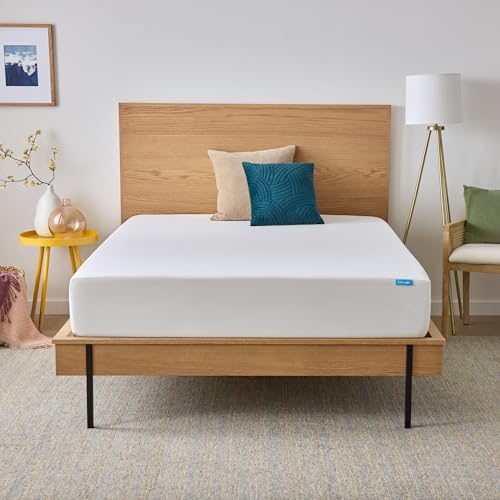
- ✓ Medium-plush comfort
- ✓ Breathable cooling foam
- ✓ Easy setup and unboxing
- ✕ Takes 24-72 hours to fully expand
- ✕ May feel firmer for strict back sleepers
| Profile Thickness | 10 inches total |
| Layer Composition | 2.5 inches gel-infused memory foam + 3.75 inches convoluted transition foam + 3.75 inches convoluted base foam |
| Certifications | CertiPUR-US certified; OEKO-TEX Standard 100 certified |
| Cooling/Breathability Features | Gel beads-infused memory foam with waved convolution design for airflow |
| Warranty | 10-year limited warranty |
| Setup/Packaging | Rolled, compressed, and boxed for delivery; 24–72 hours decompression |
The moment I unrolled the Linenspa 10″ Gel-Infused Memory Foam Mattress, I noticed the way the cover handled the cool air from my hands and how the foam gave a subtle scent of fresh foam without being overpowering. The box is compact, and the first night I laid down I felt the medium-plush profile contour my hips and shoulders just enough to feel supported without sinking too deep.
As I gave it the 24-hour decompress, the surface looked smooth and uniformly flat, no obvious lumps. When I slept on it, the gel-infused foam stayed cool enough to keep me from waking up sweaty, which is a big deal in warmer rooms.
The 2.5 inches of memory foam isn’t a mattress topper—it’s the heart of the feel, giving that gentle hug while the 3.75 inches transitional foam keeps the edges from collapsing under weight.
I tested it on a platform and on a traditional box spring, and the wobble-free support remained consistent. The overall feel sits squarely in medium-plush territory, which works for stomach, back, and side sleepers alike.
If you’re swapping from a firmer bed, you’ll notice the transition foam softens the harder feel without losing spinal alignment. For guests in a rental or a shared bedroom, a mattress that breathes and stays cool can be a real win, and this one fits in nicely there.
Setup is straightforward: roll, unbox, wait, and you’re good to go. The price tag is friendly for a queen, and the CertiPUR-US certification gives me peace of mind with the materials.
If you’re after a versatile, breathable bed that isn’t too soft or too firm, this is a solid middle ground.
Overall, it feels ready for year-round use and regular guest rotations, with a comfort level that most adults won’t outgrow quickly.
Best Price Mattress 6″ Twin Green Tea Memory Foam Mattress

- ✓ Balanced comfort and support
- ✓ Gentle memory foam feel
- ✓ Fresh, subtle scent
- ✕ Not a plush option
- ✕ May sleep warm for some
| Sleep Type / Firmness Inference | Medium to Medium-Firm hybrid feel (memory foam with support foam and high-density layers) |
| Memory Foam Type | Gel-infused memory foam with green tea infusion |
| Layer Composition | Memory foam layer + support foam + high-density base layer |
| Cover / Material | Poly Jacquard fabric cover |
| Certifications / Safety | CertiPUR-US certified foams; cotton-based fire retardant |
| Warranty / Confidence | 10-year limited warranty |
You detach the box lid and catch a whiff of something unexpectedly fresh—green tea, not the usual chemical smell. It caught me off guard, and I paused to respect the calming scent before I even unrolled the mattress.
It’s a small moment, but it changed how I approached the first laydown.
On the surface, it looks simple: a 6″ twin foam mattress with a soft quilted cover. But as soon as you press your hand into the top layer, you feel the memory foam respond with a gentle, forgiving bounce.
It’s not a rock-hard slab, and it’s not an overly mushy cloud—it sits somewhere in the middle, which is perfect if you’re undecided on hard versus soft.
Sleeping on it for a few nights revealed its real strength: steady, balanced support. The memory foam cradles pressure points without leaving you feeling stuck, and the underlying support foam keeps your hips and shoulders aligned.
I noticed less tossing and turning after a solid night of sleep.
The green tea infusion isn’t just marketing fluff. It subtly freshens the mattress, and I appreciated not waking up to any musty smells.
CertiPUR-US certified foams and a cotton-based fire retardant add a level of reassurance that matters when you’re buying budget-friendly options.
Set-up was painless. It arrived compressed and rolled, and within hours it expanded to full size without any noticeable odors.
The cover feels durable, and the fabric has a cozy, breathable feel that doesn’t trap heat excessively.
For the price, you’re getting a well-rounded sleep product that hits a sane balance between comfort and support. If you’re choosing between soft and firm, this one leans toward comfortable with enough structure to keep your spine in line.
Overall, you’ll likely find a pleasing blend of comfort and stability here, with a few thoughtful touches like the green tea scent and certified materials that make it feel trustworthy for daily use.
What Are the Key Characteristics of Hard Mattresses?
Hard mattresses offer several key characteristics that make them a popular choice among certain sleepers.
- Firmness: Hard mattresses provide a high level of firmness, which helps to keep the spine aligned and reduce pressure points.
- Support: They offer excellent support for the body, particularly for back and stomach sleepers who require a stable surface to maintain proper posture.
- Durability: Hard mattresses tend to be more durable than softer counterparts, as they are less prone to sagging over time.
- Temperature Regulation: Many hard mattresses promote better airflow, which can help regulate body temperature during sleep, making them cooler compared to softer materials.
- Motion Isolation: While less effective than soft mattresses, hard mattresses can still provide decent motion isolation, minimizing disturbances for couples.
Firmness: Hard mattresses are designed to have a high level of firmness, which can help support proper spinal alignment. This firmness is particularly beneficial for those who suffer from back pain, as it prevents the body from sinking too deeply into the mattress, thus maintaining a neutral spine position.
Support: The rigidity of hard mattresses provides essential support for various sleeping positions. Back and stomach sleepers benefit the most, as they require a firmer surface to prevent their hips from sinking, which can lead to misalignment and discomfort.
Durability: Hard mattresses are often constructed with high-density materials that contribute to their longevity. Unlike softer mattresses that may lose their shape and support within a few years, hard mattresses maintain their structure and performance much longer, making them a worthwhile investment.
Temperature Regulation: The firmer surface of hard mattresses can enhance airflow and breathability, which helps in temperature regulation during sleep. This quality can be particularly appealing for individuals who tend to sleep hot or those living in warmer climates.
Motion Isolation: While hard mattresses may not excel in motion isolation compared to softer options, they still offer a reasonable level of comfort for couples. The firm base can absorb some movement, allowing for less disturbance when one partner shifts during the night.
What Are the Key Characteristics of Soft Mattresses?
Soft mattresses stand out due to their unique characteristics that cater to specific sleeping preferences and needs.
- Pressure Relief: Soft mattresses are designed to cradle the body, which helps alleviate pressure points, particularly in areas like the shoulders and hips. This characteristic is especially beneficial for side sleepers who require additional cushioning to maintain spinal alignment.
- Conformity: These mattresses contour closely to the body shape, providing a “hugging” sensation. This level of conformity allows for enhanced comfort as it distributes weight evenly, reducing the likelihood of tossing and turning throughout the night.
- Motion Isolation: Soft mattresses typically excel in motion isolation, making them ideal for couples. When one partner moves or changes positions, the soft material absorbs that movement, minimizing the disturbance to the other sleeper.
- Temperature Sensitivity: Many soft mattresses, especially those made from memory foam, tend to retain heat, which can be a consideration for hot sleepers. While some newer models incorporate cooling technologies, the traditional soft mattress may cause discomfort in warmer conditions.
- Support Level: While soft mattresses are comfortable, they may lack the firm support needed for certain sleepers, particularly back and stomach sleepers. It’s crucial for these individuals to find a balance that offers comfort without compromising spinal alignment.
- Durability: Soft mattresses can experience quicker wear and sagging over time compared to firmer options. The materials used in soft mattresses often compress more quickly, which can lead to a shorter lifespan if not made with high-quality components.
What Factors Should Be Considered When Choosing Between Hard and Soft Mattresses?
When choosing between hard and soft mattresses, several factors should be considered to ensure the best sleeping experience.
- Sleep Position: The way a person sleeps significantly affects their mattress choice. Side sleepers often benefit from softer mattresses that cushion the shoulders and hips, while back and stomach sleepers typically prefer firmer support to maintain spinal alignment.
- Body Weight: Heavier individuals may find that firmer mattresses provide the necessary support to prevent sinking too deeply, which can lead to discomfort. Lighter individuals might prefer softer mattresses that conform to their body shape, offering better pressure relief.
- Temperature Regulation: The material and firmness of a mattress can influence how hot or cool a person sleeps. Softer mattresses often trap more heat, which can be uncomfortable for those who tend to sleep warm, while firmer mattresses made with breathable materials may help in maintaining a cooler sleep environment.
- Health Conditions: Specific health issues, such as chronic pain or arthritis, can dictate mattress preference. Softer mattresses may relieve pressure points for those with joint pain, while firmer mattresses can provide necessary support for individuals with back pain.
- Durability and Lifespan: The longevity of a mattress can vary between hard and soft options. Firmer mattresses tend to have a longer lifespan due to their sturdier construction, while softer mattresses may need to be replaced more frequently as they can lose their shape and support over time.
- Personal Preference: Ultimately, comfort is subjective, and personal preference plays a crucial role in mattress selection. Some individuals may simply prefer the feel of a softer surface, while others may find firmness more comfortable, making it essential to test both types where possible.
What Are the Health Implications of Choosing a Hard Mattress?
The health implications of choosing a hard mattress can vary based on individual preferences and body types.
- Spinal Alignment: A hard mattress can promote better spinal alignment for some individuals, especially those who sleep on their back, as it provides a firmer surface that helps maintain the natural curvature of the spine.
- Pressure Point Relief: While a hard mattress can be beneficial for spinal alignment, it may not offer adequate pressure relief for side sleepers, potentially leading to discomfort in areas like the shoulders and hips due to the increased pressure on these points.
- Durability and Support: Hard mattresses are often more durable and can provide consistent support over time, which is important for individuals who experience chronic pain and need a stable sleeping surface.
- Temperature Regulation: Hard mattresses, particularly those made from materials like latex or innerspring, may allow for better airflow, helping to keep the sleeper cooler compared to softer mattresses that can trap heat.
- Adaptation Period: Switching to a hard mattress may require an adaptation period for some individuals, as the body may need time to adjust to the firmer surface, which can initially exacerbate discomfort before any potential benefits are felt.
What Are the Health Implications of Choosing a Soft Mattress?
The choice between a hard or soft mattress can significantly impact health and comfort.
- Spinal Alignment: A soft mattress may not provide adequate support for spinal alignment, particularly for those who sleep on their back or stomach. Over time, poor spinal alignment can lead to chronic back pain and discomfort.
- Pressure Relief: Soft mattresses often excel in pressure relief, contouring to the body and reducing pressure points. This can be particularly beneficial for side sleepers, as it helps alleviate discomfort in the shoulders and hips.
- Temperature Regulation: Many soft mattresses are made from materials like memory foam, which can retain heat. This may lead to discomfort for individuals who sleep hot, impacting sleep quality and overall health.
- Durability and Longevity: Soft mattresses may wear out faster than firmer ones, leading to sagging and reduced support over time. This can necessitate more frequent replacements, impacting long-term investment in sleep quality.
- Sleep Quality: The comfort level provided by a soft mattress can enhance sleep quality for some individuals, promoting deeper and more restorative sleep. However, if the mattress is too soft, it may lead to tossing and turning, negatively affecting sleep cycles.
How Do Sleep Positions Influence Mattress Firmness Preference?
The influence of sleep positions on mattress firmness preference is significant and varies among individuals based on their sleeping habits.
- Back Sleepers: Back sleepers typically benefit from a medium-firm mattress that provides adequate support for the spine while also offering some cushioning for the lower back. This firmness level helps maintain the natural curvature of the spine and prevents discomfort during sleep.
- Side Sleepers: Side sleepers generally prefer a softer mattress that can contour to the body’s curves, particularly around the shoulders and hips. A softer mattress alleviates pressure points, which is crucial for side sleepers to avoid pain in those areas and ensure a more restful night’s sleep.
- Stomach Sleepers: Stomach sleepers often require a firmer mattress to prevent the hips from sinking too deeply, which can lead to misalignment of the spine. A firmer surface helps maintain proper alignment and reduces the risk of back pain caused by excessive sinking.
- Combination Sleepers: Combination sleepers, who frequently change positions throughout the night, may prefer a mattress that strikes a balance between soft and firm, often categorized as medium-firm. This versatile firmness allows for comfort and support in various positions, accommodating the needs of back, side, and stomach sleepers alike.
- Body Weight Considerations: Heavier individuals may tend to prefer firmer mattresses to ensure they receive adequate support and prevent excessive sinking. Conversely, lighter individuals might find softer mattresses more comfortable, as they may not compress the material as much and thus require less firmness to achieve proper support.
What Do Experts Recommend When Selecting Mattress Firmness?
Experts recommend several factors to consider when selecting mattress firmness to ensure optimal comfort and support.
- Body Weight: Heavier individuals may prefer a firmer mattress to prevent sinking too deeply, while lighter people often find softer mattresses more comfortable as they provide better contouring.
- Sleeping Position: Side sleepers typically benefit from a softer mattress that cushions the shoulders and hips, whereas back and stomach sleepers may require a firmer surface for proper spinal alignment.
- Personal Preference: Individual comfort levels vary widely, so trying out different firmness levels is crucial; what feels right can depend significantly on personal taste and past experiences with mattresses.
- Health Conditions: Those with back pain or joint issues may find that a medium-firm mattress offers the best balance of support and comfort, alleviating pressure points while maintaining spinal alignment.
- Temperature Regulation: Firmer mattresses tend to be less conforming, which can help with heat dissipation, making them suitable for those who sleep hot; softer mattresses often retain more heat, which may not be ideal for everyone.
Body weight plays a significant role in determining the right firmness level; heavier individuals often require more support to avoid excessive sinking, while lighter individuals may prefer a softer feel that contours to their shape.
The sleeping position is crucial in this decision-making process; side sleepers benefit from a softer mattress that allows for the shoulders and hips to sink in, while back and stomach sleepers need a firmer surface to maintain proper spinal alignment and avoid discomfort.
Personal preference is essential, as the subjective nature of comfort means that individuals should test various firmness levels; many find it helpful to visit stores and lie down on different mattresses to gauge their comfort.
Health conditions also influence the choice of mattress firmness; those suffering from chronic back pain or joint issues may find that a medium-firm mattress strikes the right balance between support and pressure relief.
Temperature regulation is a consideration as well; firmer mattresses may provide better airflow, thus keeping the sleeper cooler, while softer mattresses can trap heat, which is a factor for those who tend to sleep hot.
Related Post: